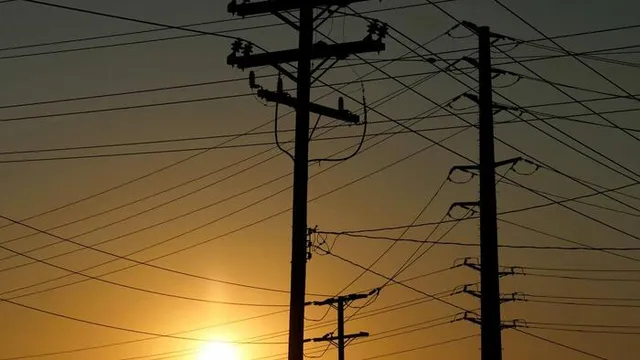
In the central United States, a significant heat wave has prompted the Southwest Power Pool (SPP) to issue a conservative operations advisory. This advisory was announced on July 20, 2026, as temperatures soared across a vast region stretching from North Dakota to Louisiana. The SPP, which manages the electricity grid for 17 states, reported that the extreme heat could lead to increased resource outages and high peak loads. Earlier in the day, the operator had declared a Level 3 energy emergency due to unexpected outages from several power plants, but by the evening, the situation had stabilized, and no controlled power outages were necessary.
The National Weather Service issued extreme heat warnings for multiple states, including Arkansas, Illinois, Indiana, Kansas, Kentucky, Mississippi, Missouri, Oklahoma, and Texas. These warnings indicated dangerously high heat index values, reaching up to 115 degrees Fahrenheit. The combination of high temperatures and humidity significantly raises the risk of heat-related illnesses, prompting concerns for public safety. The SPP clarified that while the advisory does not require the public to conserve energy, it serves to alert operators of potential threats to grid reliability.
This situation follows a similar pattern observed earlier in July when the PJM Interconnection, the largest grid operator in the U.S. serving the East Coast, implemented emergency measures due to surging electricity demand amid extreme weather. The demand for electricity has reached record levels, driven primarily by increased air conditioning usage during the heat wave. The SPP's advisory reflects the ongoing challenges faced by grid operators in managing electricity supply and demand during extreme weather events.
Looking ahead, the forecast indicates that the heat will persist, with temperatures expected to return to the triple digits over the weekend. In North Texas, the heat index was reported to have reached 120 degrees Fahrenheit earlier in the week, and while conditions may feel slightly more comfortable on Thursday, they remain dangerously hot. The potential for additional heat advisories looms as the region braces for continued high temperatures and humidity, further straining the power grid and raising concerns about public health and safety.