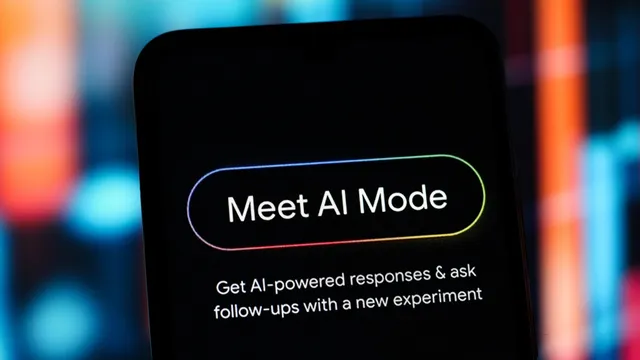
In the United States, Google has announced a significant update to its search functionality, allowing users to interact with linked applications directly through AI Mode. This feature is set to roll out starting this week, marking a pivotal moment in the evolution of Google's search capabilities. Users will be able to request assistance from popular applications such as Instacart, Canva, and YouTube Music, enhancing the overall user experience by integrating various services into a single platform. This move is part of Google's broader strategy to transform its search engine into a multifunctional tool that caters to a wide range of user needs.
The integration of these applications into AI Mode signifies a shift in how users will engage with search engines. Traditionally, search engines have served as gateways to information, directing users to external websites. However, with this new feature, Google aims to streamline the process by allowing users to access services directly from the search interface. This could potentially reduce the time spent navigating between different applications and websites, making it more convenient for users to find what they need quickly.
Moreover, this development reflects a growing trend in the tech industry towards creating more interconnected and user-friendly platforms. As consumers increasingly seek seamless experiences across digital services, companies like Google are responding by enhancing their offerings. By linking popular applications to its search engine, Google is not only improving user satisfaction but also positioning itself as a leader in the competitive landscape of digital services.
In conclusion, the introduction of app connectivity in AI Mode represents a significant advancement in Google's search capabilities. As this feature becomes available, it will be interesting to observe how users adapt to this new way of searching and whether it will influence the future direction of search technology. This initiative is a clear indication of Google's commitment to evolving its services to meet the changing demands of its users.