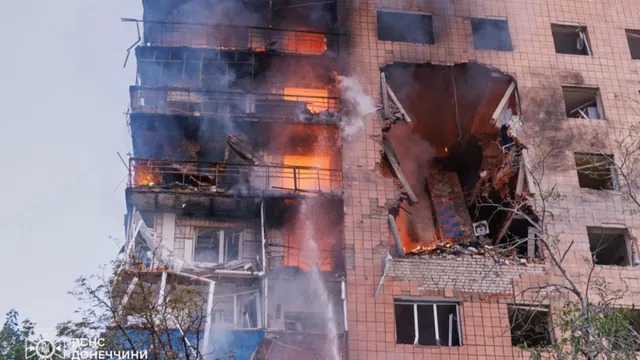
The impact of drone warfare on civilian areas in Ukraine has become a critical concern in recent years, particularly as the conflict has escalated. Drones, which are increasingly used for surveillance and targeted strikes, have transformed the nature of warfare, leading to significant implications for civilian populations. The use of drones allows for precision targeting, but this technology also raises the risk of collateral damage, as strikes can occur in densely populated areas. The psychological effects on civilians, including fear and anxiety, are profound, as communities live under the constant threat of drone strikes. This report aims to analyze the multifaceted impact of drone warfare on civilian life in Ukraine, focusing on both immediate and long-term consequences.
One of the most pressing issues is the direct threat to civilian lives. Reports indicate that drone strikes have resulted in civilian casualties, which not only devastate families but also contribute to a broader atmosphere of fear and instability. The unpredictability of drone operations means that civilians often find themselves in harm's way, leading to a significant humanitarian crisis. Furthermore, the destruction of infrastructure, such as homes, schools, and hospitals, exacerbates the situation, making it difficult for communities to recover and rebuild. The loss of essential services and the displacement of populations are direct consequences of drone warfare, leading to increased vulnerability among affected civilians.
In addition to the immediate physical dangers, the psychological impact of drone warfare cannot be overlooked. Civilians living in conflict zones experience heightened levels of stress and trauma, which can have lasting effects on mental health. The constant presence of drones overhead serves as a reminder of the ongoing conflict, leading to a pervasive sense of insecurity. Children, in particular, are at risk of developing long-term psychological issues due to their exposure to violence and the fear of drone strikes. This psychological toll can hinder social cohesion and impede the rebuilding of communities, as individuals struggle to cope with their experiences.
Finally, the international response to drone warfare in Ukraine has been mixed, with calls for accountability and regulation of drone use in conflict zones. Humanitarian organizations emphasize the need for protecting civilian lives and ensuring that military operations adhere to international law. As the conflict continues, it is essential for policymakers to consider the implications of drone warfare on civilian populations and to seek solutions that prioritize human rights and the protection of non-combatants. The ongoing situation in Ukraine serves as a critical case study for understanding the broader implications of drone warfare, highlighting the need for a balanced approach that addresses both military objectives and humanitarian concerns.