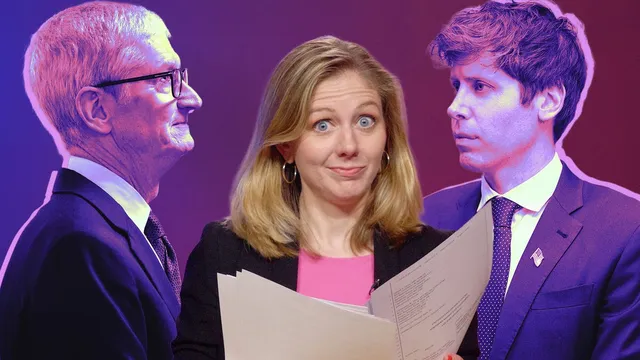
In a significant legal development, OpenAI, the company behind ChatGPT, encountered a major setback when Apple filed a lawsuit against it. This lawsuit, which emerged in the month of July 2026, accuses OpenAI of having former Apple employees who allegedly stole trade secrets upon their transition to OpenAI. The implications of this lawsuit are profound, as OpenAI has been heavily investing in the development of AI devices, aiming to create tangible products that could revolutionize the market. The lawsuit raises questions about the ethical boundaries of innovation in the tech industry, particularly regarding the movement of talent between competing companies.
OpenAI's founder, Sam Altman, and Apple's former design chief, Jony Ive, have been reportedly working on a new family of AI devices. These devices are expected to prioritize user experience and simplicity, reminiscent of Apple's design philosophy. However, the lawsuit complicates these plans, as OpenAI must now not only defend itself against Apple's claims but also convince the public that its AI devices are a worthwhile investment. The tech community is watching closely, as the outcome of this lawsuit could set a precedent for how trade secrets are protected in the industry.
The landscape of AI devices is already fraught with challenges, as seen with Meta's smart glasses and other AI products that have faced backlash over privacy concerns. The public's hesitance to fully embrace AI technology is evident, and OpenAI's upcoming devices will likely be scrutinized against these previous failures. The company must navigate these complexities while attempting to carve out a niche in a market that is still skeptical about the integration of AI into everyday life.
Ultimately, the success of OpenAI's devices will depend on their ability to differentiate themselves from existing products like Amazon Echo and Google Home. The question remains whether there is a sufficient market of dedicated AI users willing to invest in these new offerings. As OpenAI continues to develop its product line, the company must address the legal challenges posed by Apple's lawsuit while also considering the broader implications of its innovations in the AI space.