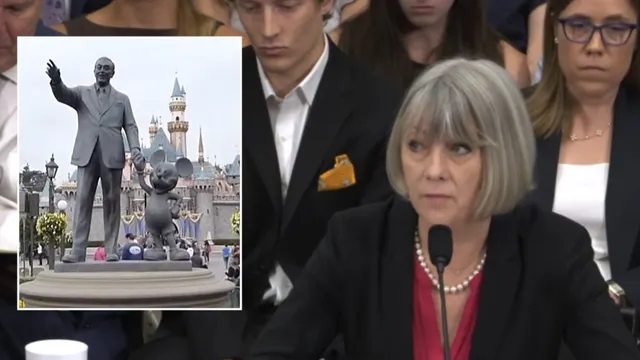
In a recent congressional hearing, Texas Representative Brandon Gill confronted Anthea Hartig, the Director of the Smithsonian's National Museum of American History, regarding the museum's controversial stance on various cultural issues. The hearing, which took place under the House Subcommittee on Delivering on Government Efficiency, was prompted by a report from the White House Domestic Policy Council that criticized the museum for its ideological leanings. Gill's questioning centered on the museum's MASS Action Toolkit, which links concepts like objectivity and politeness to white supremacy culture. This toolkit has been co-authored by several current and former Smithsonian employees, raising concerns about the museum's direction and the influence of radical ideologies on its exhibits and educational resources. During the exchange, Gill bluntly asked Hartig if Mickey Mouse was racist, to which she responded that the character itself is not racist but acknowledged that it is rooted in minstrelsy, which has historical racial overtones. This admission led to further inquiries about whether the museum's portrayal of such cultural icons is problematic. Hartig maintained that the museum's mission is to provide accurate historical context, but her responses were met with skepticism from Gill and others who believe the institution has strayed from its original purpose. The hearing highlighted a growing divide over how history is presented in American institutions and the role of museums in shaping cultural narratives. Critics of the Smithsonian's approach argue that it has become a platform for leftist revisionism, while supporters claim it is necessary to address historical injustices and provide a more inclusive perspective. The debate continues as lawmakers and the public grapple with the implications of these ideological shifts in cultural institutions.