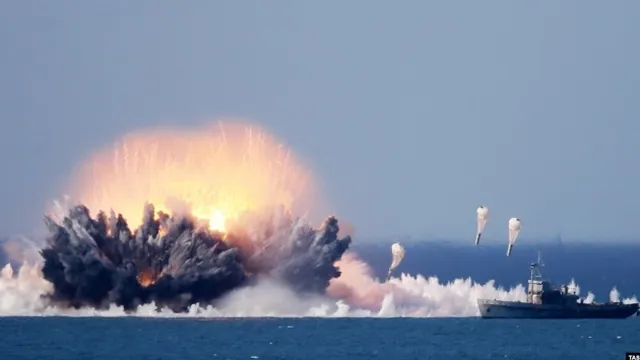
In a significant escalation of military actions, Ukrainian Defense Forces launched multiple strikes against Russian maritime assets in the Sea of Azov. On July 9, 2026, Ukrainian drones targeted a convoy of Russian tankers, resulting in the destruction of 12 vessels, including one tugboat and one dry cargo ship. These vessels were reportedly involved in supplying fuel and lubricants to Russian military units, facilitating the ongoing conflict against Ukraine. The strikes were part of Ukraine's broader strategy to disrupt Russian logistics and choke off supplies to occupied territories, particularly Crimea.
The attacks have drawn attention due to their timing and scale, coinciding with heightened tensions between Ukraine and Russia. Ukrainian President Volodymyr Zelenskyy has framed these operations as part of a campaign of "long-range sanctions" aimed at crippling Russia's military capabilities. The Ukrainian military's General Staff reported that the strikes not only targeted tankers but also included an oil loading terminal in the Rostov region, which is crucial for transshipping petroleum products for export. This facility has been identified as a key source of revenue for the Russian military, further emphasizing the strategic importance of these attacks.
In the aftermath of the strikes, Russian authorities acknowledged the damage to their vessels, with reports indicating that two tankers were set ablaze and required crew evacuations. The governor of Russia's Rostov region, Yuriy Slyusar, confirmed that the tankers were empty at the time of the attack, mitigating the risk of a significant environmental disaster. However, the strikes have raised concerns about the potential for escalating military confrontations in the region, as both sides continue to exchange fire and target each other's logistical capabilities.
The ongoing conflict has led to severe fuel shortages in Russia, with reports indicating that domestic gasoline output has fallen significantly due to the strikes on energy infrastructure. This situation has prompted Russia to halt shipping through key waterways, further complicating its military logistics. As Ukraine continues to intensify its drone operations, the implications for regional security and the broader conflict remain uncertain, with both sides preparing for potential retaliatory actions.