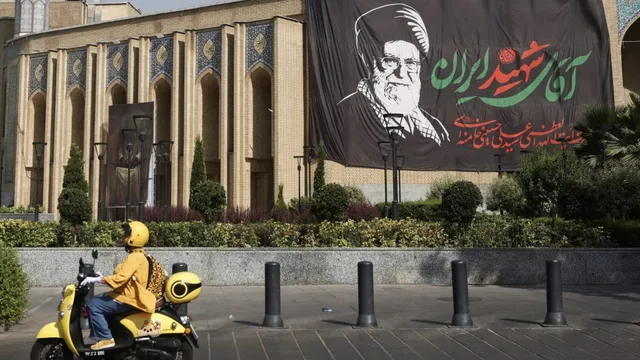
The history of U.S.-Iran relations is complex and marked by significant events that have shaped the geopolitical landscape of the Middle East. The relationship began in the early 20th century, primarily during the era of the Anglo-Persian Oil Company, which established British control over Iranian oil resources. This laid the groundwork for foreign influence in Iran, leading to growing resentment among Iranians. The 1953 CIA-backed coup that overthrew Prime Minister Mohammad Mossadegh, who had nationalized the oil industry, further exacerbated tensions. The coup reinstated the Shah, Mohammad Reza Pahlavi, whose regime was characterized by authoritarianism and Western alignment, leading to widespread discontent among the Iranian populace.
The 1979 Iranian Revolution marked a pivotal turning point in U.S.-Iran relations. The overthrow of the Shah and the establishment of the Islamic Republic under Ayatollah Khomeini resulted in the severing of diplomatic ties between the two nations. The U.S. Embassy hostage crisis, where 52 American diplomats and citizens were held hostage for 444 days, solidified animosity and led to economic sanctions against Iran. The U.S. viewed Iran as a threat to regional stability, particularly following the Iran-Iraq War (1980-1988), during which the U.S. supported Iraq, further straining relations.
In the following decades, U.S.-Iran relations remained fraught, particularly with Iran's nuclear program emerging as a focal point of contention. The U.S. accused Iran of pursuing nuclear weapons capabilities, while Iran maintained that its program was for peaceful purposes. The situation escalated with the imposition of additional sanctions and the designation of Iran as part of the "Axis of Evil" by President George W. Bush in 2002. However, diplomatic efforts, including the 2015 Joint Comprehensive Plan of Action (JCPOA), aimed to curb Iran's nuclear ambitions in exchange for sanctions relief, represented a brief thaw in relations.
Despite the initial success of the JCPOA, the U.S. withdrawal from the agreement in 2018 under President Donald Trump reignited tensions, leading to a series of confrontations, including military engagements and further sanctions. The assassination of Iranian General Qassem Soleimani in January 2020 marked a significant escalation, prompting Iran to retaliate with missile strikes on U.S. bases in Iraq. As of 2026, the relationship remains tense, with ongoing debates about Iran's nuclear program, regional influence, and the potential for renewed diplomatic engagement. The historical context of U.S.-Iran relations illustrates a cycle of conflict and diplomacy, shaped by national interests, regional dynamics, and the legacies of past actions.