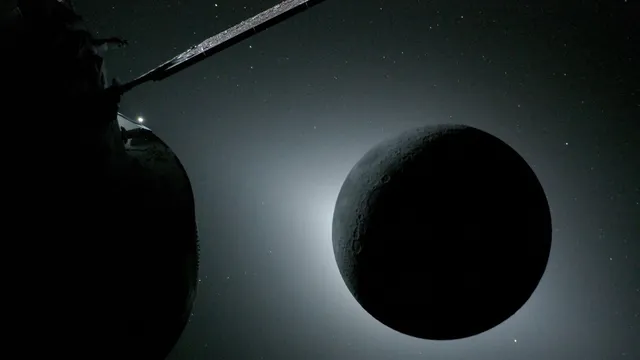
The Artemis missions, initiated by NASA, represent a significant step forward in human space exploration, aiming to return humans to the Moon and eventually pave the way for Mars exploration. These missions are not only a technical endeavor but also a cultural and societal phenomenon that has the potential to reshape public perception of space exploration. The Artemis program seeks to land the first woman and the next man on the lunar surface, emphasizing inclusivity and diversity in the field of space science. This focus on representation is likely to resonate with a broader audience, inspiring future generations to engage with STEM (Science, Technology, Engineering, and Mathematics) fields and fostering a sense of ownership and participation in space exploration among diverse demographics. As the missions progress, public interest and engagement are expected to grow, driven by the excitement of lunar exploration and the potential for groundbreaking scientific discoveries.
The Artemis missions are also strategically designed to leverage modern technology and social media to enhance public engagement. By utilizing platforms that reach a global audience, NASA aims to create a sense of community around the missions, encouraging public participation through live broadcasts, interactive content, and educational outreach. This approach not only demystifies space exploration but also allows individuals to feel connected to the missions, fostering a sense of shared experience and excitement. As people witness the advancements in technology and the unfolding of the missions in real-time, their perception of space exploration is likely to shift from a distant and abstract concept to an accessible and relatable endeavor.
Moreover, the Artemis missions are positioned within a broader context of international collaboration in space exploration. By partnering with other space agencies and private companies, NASA is promoting a narrative of unity and shared goals in the pursuit of knowledge beyond our planet. This collaborative spirit can enhance public perception by framing space exploration as a global effort rather than a competition among nations. As countries come together to achieve common objectives, the public may view space exploration as a means of fostering international cooperation and peace, further enhancing its appeal.
In conclusion, the Artemis missions have the potential to significantly impact public perception of space exploration by emphasizing inclusivity, leveraging modern communication tools, and promoting international collaboration. As these missions unfold, they are likely to inspire a renewed interest in space science and exploration, encouraging a diverse range of individuals to engage with and support these endeavors. The excitement surrounding the Artemis program could lead to a cultural shift, where space exploration is seen not only as a scientific pursuit but also as a vital part of our shared human experience.