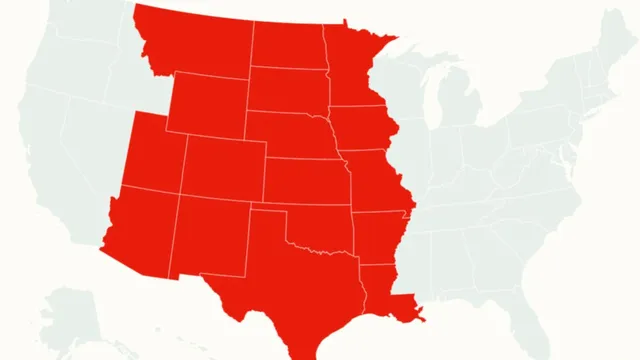
In the United States, the Department of Energy (DOE) issued an emergency order on July 26, 2026, to address rising electricity demand caused by extreme heat. This order allows the Southwest Power Pool (SPP) to utilize additional power resources across a 17-state region, which includes Texas, Louisiana, Arkansas, Missouri, Iowa, North Dakota, South Dakota, Nebraska, Oklahoma, Kansas, Colorado, Wyoming, Montana, New Mexico, Arizona, Minnesota, and Utah. The order is set to expire at 11:59 p.m. CDT on August 3, 2026, and was issued at SPP's request to maintain grid reliability during peak-demand periods. Energy Secretary Chris Wright emphasized the need for this action, criticizing previous energy policies that he believes have contributed to current reliability challenges. The emergency order allows SPP to direct backup power resources to operate as a last resort before declaring an Energy Emergency Alert Level 3. The DOE noted that more than 35 gigawatts of unused backup generation remain available nationwide, which can be tapped into to ensure power remains stable during this heat wave. The extreme weather conditions have raised concerns about potential blackouts, especially as the National Weather Service forecasts that dangerous heat will persist across much of the Central U.S. The forecast predicts highs in the mid-to-upper 90s, with parts of Texas and Oklahoma reaching the low 100s and maximum heat indexes of 105 to 115 degrees Fahrenheit. The situation has been exacerbated by power plant outages, lower wind generation, and curtailed electricity imports from neighboring grids, all of which have contributed to tight grid conditions. SPP has previously avoided outages by appealing for voluntary conservation from consumers, but the ongoing heat threat raises the stakes for grid reliability. As the heat wave continues, the DOE's emergency order aims to mitigate the risk of blackouts and ensure that power flows remain stable for American families and businesses.