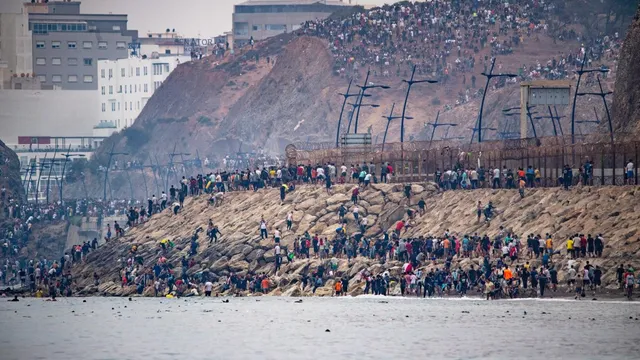
In recent days, Spain has faced a significant migration crisis in its African enclave of Ceuta, where between 50,000 and 60,000 migrants entered from Morocco. The influx overwhelmed local reception facilities, leading to dire conditions for many migrants, with reports of people sleeping in parks and on sidewalks. The Spanish government reported a death toll of 67, with some migrants drowning and others dying in a stampede. In response to the crisis, Spanish Prime Minister Pedro Sánchez criticized some European allies for their 'selfish' and 'polarizing' reactions, particularly calls to suspend Spain from the Schengen area, which he attributed to prejudice and misinformation. Sánchez defended Spain's migration policies, stating they had significantly reduced irregular arrivals and made Spain one of the most secure external borders in the EU. He called for urgent EU talks to establish a coordinated response to such migration situations, emphasizing that border security is a shared responsibility among all EU member states. The crisis has also prompted discussions among EU officials about reinforcing external borders and addressing the root causes of irregular migration, with some countries, like Italy, temporarily reinstating border checks on arrivals from Spain. The situation in Ceuta has highlighted the complexities of migration management within the EU, particularly for countries with land borders in Africa, and the need for a unified approach to address these challenges effectively.