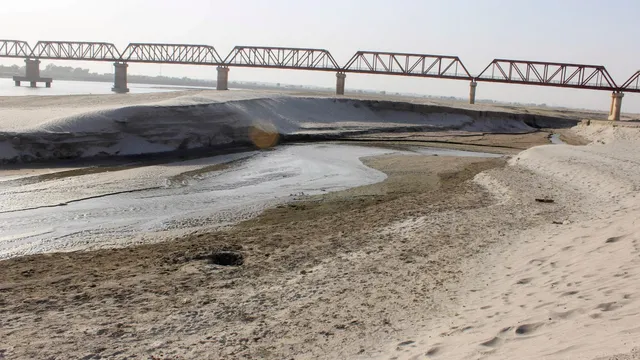
In recent weeks, the Government of Pakistan organized a conference in Islamabad to express discontent over India's decision to suspend the Indus Waters Treaty. This treaty, signed in 1960, allocated control of the Indus Basin's rivers between the two nations, with India receiving three eastern rivers and Pakistan controlling three western rivers. The imbalance in water distribution has historically hindered development in Indian regions. Despite this, India has adhered to the treaty, while Pakistan has responded with military aggression and terrorism, including multiple wars and attacks on Indian soil. The ongoing disputes and Pakistan's refusal to renegotiate the treaty have led to a breakdown of trust and goodwill between the two countries, culminating in India's recent decision to put the treaty on hold. Prime Minister Narendra Modi has emphasized that India will not engage in talks or trade with a nation that supports terrorism, further straining relations. The situation highlights the complexities of water rights and regional security in South Asia, as Pakistan's internal issues often lead to external threats against India, complicating the already tense relationship between the two nations.