Google invests in largest solar power project in the U.S
business
controversial
impactful

Google invests in largest solar power project in the U.S

10
(Update: )
American multinational technology company
American company founded by Elon Musk
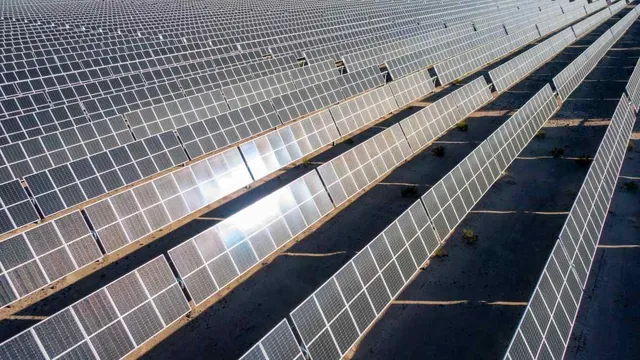
  • Google has committed to its largest solar power and battery storage project in Arkansas, which will generate enough electricity for 6% of the state's peak demand.
  • The project, developed with Cypress Creek Energy, will add significant solar capacity and battery storage to Google's portfolio.
  • This investment contrasts sharply with xAI's unpermitted natural gas power plant, highlighting differing approaches to energy production.
Share opinion
1

Story

In the United States, Google has made a significant investment in renewable energy by committing to its largest solar power and battery storage project to date. This initiative, located in Arkansas, is designed to generate enough electricity to meet approximately 6% of the state's peak demand. The project, known as the Steel River Energy Center, is being developed in partnership with Cypress Creek Energy, which has secured $3.5 billion in financing for the first two phases. These phases will add 1 gigawatt of solar capacity and 1.9 gigawatt-hours of battery storage to Google's energy portfolio. The first two phases of the project are expected to connect to the grid soon, with the third and final phase scheduled for completion in 2029. Once fully operational, the facility will become the largest solar power plant in the United States, boasting a total capacity of about 1.8 gigawatts of solar energy and 2.9 gigawatt-hours of battery storage. This innovative approach of pairing solar panels with large batteries will enable the power plant to supply electricity to the grid continuously, thereby supporting Google's goal of matching its electricity consumption with clean energy on an hourly basis. In stark contrast, xAI, a company led by Elon Musk, operates an unpermitted natural gas power plant located approximately 40 miles south of the Google project. This facility has raised concerns due to its lack of federal clean air permits and its impact on nearby predominantly Black neighborhoods. Musk's investment in natural gas for xAI's Colossus data centers has drawn criticism, especially given his leadership role at Tesla, a company known for producing solar panels and grid-scale batteries. The juxtaposition of Google's commitment to renewable energy and xAI's reliance on fossil fuels highlights the ongoing debate surrounding energy sources and environmental responsibility. As the world increasingly shifts towards sustainable energy solutions, Google's investment in the Steel River Energy Center represents a significant step forward in the renewable energy sector. The project not only aims to reduce carbon emissions but also sets a precedent for other companies to follow suit in their energy strategies. The contrasting approaches of Google and xAI underscore the complexities of the energy landscape and the urgent need for a transition to cleaner power sources.

Context

The impact of xAI natural gas power plant is a multifaceted topic that encompasses environmental, economic, and social dimensions. Natural gas has been increasingly recognized as a transitional energy source that can help bridge the gap between fossil fuels and renewable energy. The xAI natural gas power plant exemplifies this transition by utilizing advanced technologies to optimize efficiency and reduce emissions. By employing state-of-the-art combustion techniques and emissions control systems, the plant aims to minimize its carbon footprint while providing a reliable energy supply. This is particularly significant in the context of global efforts to combat climate change and reduce greenhouse gas emissions, as natural gas is often touted as a cleaner alternative to coal and oil in power generation. Economically, the xAI natural gas power plant is expected to contribute positively to local and regional economies. The construction and operation of the plant create jobs, stimulate local businesses, and generate tax revenue for municipalities. Furthermore, the plant's ability to provide a stable and affordable energy source can attract new industries and investments to the area, fostering economic growth. The reliance on natural gas can also lead to lower energy prices for consumers, as it is often less expensive than other fossil fuels. However, it is essential to consider the volatility of natural gas prices and the potential economic risks associated with over-reliance on this energy source. Socially, the establishment of the xAI natural gas power plant can have both positive and negative implications for local communities. On one hand, the job creation and economic opportunities associated with the plant can enhance the quality of life for residents. On the other hand, concerns about environmental impacts, such as air and water quality, must be addressed to ensure community support. Engaging with local stakeholders and incorporating their feedback into the planning and operation of the plant is crucial for fostering a positive relationship between the facility and the community. Additionally, the plant's commitment to sustainability and responsible operations can help mitigate potential negative perceptions and enhance its social license to operate. In conclusion, the xAI natural gas power plant represents a significant step towards a more sustainable energy future. By leveraging advanced technologies to reduce emissions and improve efficiency, the plant aims to provide a reliable energy source while contributing to economic growth and job creation. However, it is vital to balance these benefits with the potential environmental and social impacts. Ongoing dialogue with stakeholders and a commitment to sustainable practices will be essential in maximizing the positive impact of the xAI natural gas power plant.