In the United States, the political climate has remained tense since the 2020 presidential election. Following the election, which saw Joe Biden defeat Donald Trump, the nation faced numerous challenges, including the COVID-19 pandemic and the subsequent vaccine rollout. As the country began to recover, former President Trump struggled to accept his loss, leading to a series of events that culminated in the Capitol riot on January 6, 2021. This unrest has fueled ongoing debates about public health and the origins of the virus, with many conspiracy theories emerging in the aftermath.
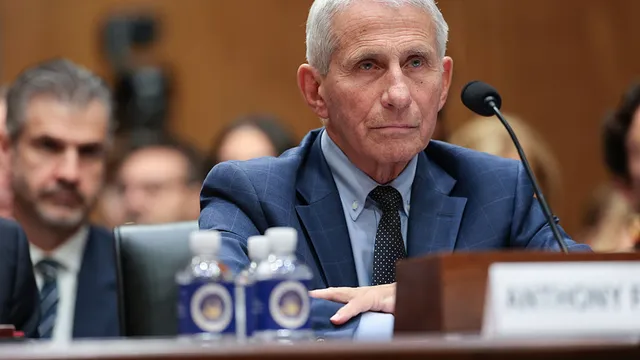
In this charged atmosphere, Senator Rand Paul of Kentucky has taken a prominent role in questioning Dr. Anthony Fauci, the former chief medical advisor to the president. Their confrontations have been marked by accusations and heated exchanges, with Paul often challenging Fauci's credibility and decisions made during the pandemic. Recently, Paul called for a Senate hearing where he threatened Fauci with perjury if he provided what Paul deemed false testimony. This threat was particularly notable given the political context, as it reflects the ongoing partisan divide regarding the handling of the pandemic and the role of public health officials.
The hearing was framed as an effort to uncover the truth about the origins of COVID-19, but many observers viewed it as an extension of Paul's personal vendetta against Fauci. The senator's insistence on pursuing this line of questioning has drawn criticism from various quarters, with some arguing that it undermines the scientific community's efforts to combat misinformation and promote public health. The hearing also highlighted the broader implications of the anti-vaccine movement, which has gained traction in the wake of the pandemic and poses a significant challenge to public health initiatives.
As the political landscape continues to evolve, the fallout from the 2020 election and the pandemic remains a focal point for many Americans. The ongoing disputes between politicians like Rand Paul and public health officials like Anthony Fauci illustrate the deep divisions that persist in the country. With the threat of misinformation and conspiracy theories looming large, the future of public health policy and the trust in scientific expertise hang in the balance, as the nation grapples with the consequences of the past few years.