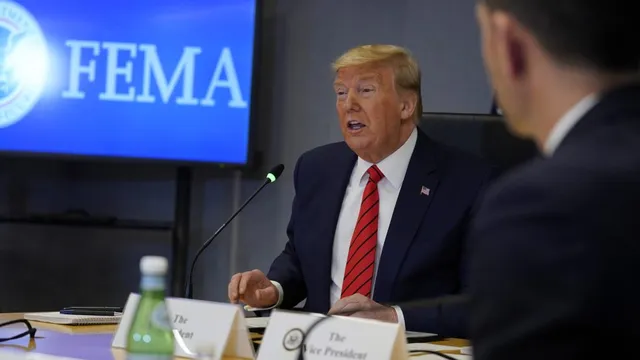
The politicization of disaster relief in the United States has become an increasingly pressing issue, particularly in the wake of natural disasters that have affected various regions over the years. This phenomenon refers to the way in which political considerations and affiliations can influence the distribution of aid and resources during times of crisis. As disasters occur, the response from federal, state, and local governments can often be swayed by political agendas, leading to disparities in the assistance provided to affected communities. This has raised concerns about equity and the effectiveness of disaster response efforts, as those in need may not receive the help they require based on their political affiliations or the political climate surrounding the disaster event.
Historically, disaster relief in the U.S. has been a bipartisan issue, with both parties recognizing the importance of providing aid to those affected by disasters. However, in recent years, there has been a noticeable shift towards a more partisan approach. This shift can be attributed to various factors, including the increasing polarization of American politics, the role of social media in shaping public perception, and the influence of interest groups. As a result, the allocation of resources can become entangled in political debates, leading to delays in aid and a lack of coordination among agencies tasked with disaster response.
The implications of this politicization are significant. Communities that are already vulnerable may find themselves at a greater disadvantage when political considerations overshadow the urgent need for assistance. For instance, areas that are politically aligned with the party in power may receive more immediate and substantial aid, while those that are not may struggle to access the resources they need. This not only affects the immediate recovery efforts but can also have long-term consequences for the affected communities, including economic setbacks and prolonged suffering.
To address the challenges posed by the politicization of disaster relief, it is essential to advocate for a more equitable and transparent approach to disaster response. This includes establishing clear guidelines for aid distribution that prioritize the needs of affected individuals and communities, regardless of their political affiliations. Additionally, fostering collaboration among various levels of government and non-profit organizations can help ensure that resources are allocated effectively and efficiently. By focusing on the humanitarian aspects of disaster relief, rather than the political implications, the U.S. can work towards a more just and effective response to disasters.