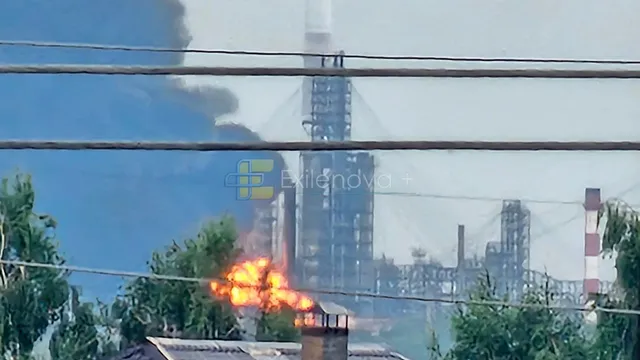
The impact of drone warfare on the Russian energy sector has become a critical area of analysis, particularly in light of recent geopolitical tensions and military engagements. Drones have emerged as a significant tool in modern warfare, providing capabilities for surveillance, precision strikes, and disruption of critical infrastructure. In the context of Russia, the energy sector, which is a cornerstone of the national economy, faces unique vulnerabilities due to the increasing use of drone technology by adversaries. This report examines the implications of drone warfare on Russia's energy infrastructure, focusing on the potential risks and strategic responses that may shape the future of energy security in the region.
The Russian energy sector, heavily reliant on oil and gas exports, is particularly susceptible to drone attacks that target key facilities such as refineries, pipelines, and storage depots. The use of drones allows for covert operations that can evade traditional air defense systems, making it easier for hostile forces to inflict damage without direct confrontation. Recent incidents have highlighted the effectiveness of drone strikes in disrupting energy supplies, leading to significant economic repercussions. The potential for drones to cause widespread damage to critical infrastructure raises concerns about the resilience of Russia's energy sector and its ability to maintain production levels in the face of such threats.
In response to the growing threat of drone warfare, Russia has begun to enhance its defensive capabilities, investing in advanced air defense systems and counter-drone technologies. The development of these systems aims to protect vital energy infrastructure from aerial attacks, ensuring the continuity of operations and safeguarding national interests. Additionally, the Russian government has been exploring strategies to diversify its energy supply routes and reduce dependence on vulnerable infrastructure. This includes increasing investments in alternative energy sources and enhancing cybersecurity measures to protect against both physical and digital threats.
The long-term implications of drone warfare on the Russian energy sector are profound, as they not only affect the immediate operational capabilities but also influence broader geopolitical dynamics. The ability to disrupt energy supplies can serve as a powerful tool in conflicts, potentially altering the balance of power in the region. As drone technology continues to evolve, it is imperative for Russia to adapt its strategies to mitigate risks and ensure the stability of its energy sector. The intersection of military strategy and energy security will remain a critical focus for policymakers, as the implications of drone warfare extend beyond the battlefield and into the economic and political realms.