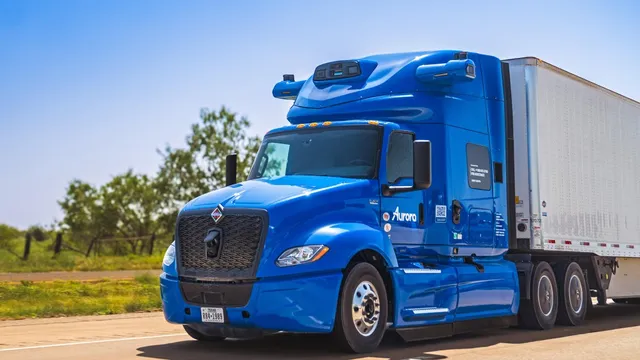
The impact of autonomous trucks on the trucking industry is a multifaceted topic that encompasses technological advancements, economic implications, and regulatory challenges. As the industry moves towards automation, the introduction of self-driving trucks promises to revolutionize logistics and freight transportation. These vehicles are designed to enhance efficiency, reduce operational costs, and address the growing demand for freight services. With advancements in artificial intelligence, machine learning, and sensor technology, autonomous trucks are becoming increasingly capable of navigating complex road conditions, making real-time decisions, and ensuring safety on the highways. This shift towards automation is expected to lead to significant changes in the workforce, as the demand for human drivers may decrease, prompting a need for retraining and reskilling programs for those affected by this transition.
Economically, the adoption of autonomous trucks could lead to substantial cost savings for trucking companies. By reducing labor costs and increasing fuel efficiency through optimized driving patterns, companies can improve their profit margins. Additionally, autonomous trucks can operate around the clock without the need for breaks, potentially increasing the overall capacity of freight transport. However, the initial investment in autonomous technology and infrastructure can be significant, and companies must weigh these costs against the long-term benefits. Furthermore, the integration of autonomous trucks into existing supply chains will require careful planning and coordination to ensure seamless operations.
Regulatory challenges also play a crucial role in the deployment of autonomous trucks. Governments and regulatory bodies must establish guidelines and safety standards to govern the operation of these vehicles on public roads. This includes addressing liability issues in the event of accidents involving autonomous trucks and ensuring that these vehicles comply with existing traffic laws. Collaboration between industry stakeholders, policymakers, and technology developers is essential to create a regulatory framework that fosters innovation while prioritizing safety and public trust. As the technology continues to evolve, ongoing dialogue will be necessary to adapt regulations to the changing landscape of the trucking industry.
In conclusion, the impact of autonomous trucks on the trucking industry is profound and far-reaching. While the potential benefits in terms of efficiency and cost savings are significant, the transition to autonomous vehicles will require careful consideration of economic, workforce, and regulatory factors. As the industry navigates this transformation, it is crucial to balance innovation with the need for safety and job security for those in the trucking workforce. The future of trucking may very well be shaped by the successful integration of autonomous technology, but this will depend on the collective efforts of all stakeholders involved.