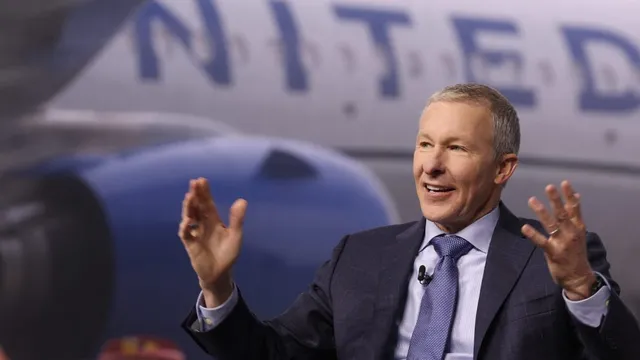
In the United States, United Airlines has recently unveiled plans for a new seating option in its Economy Plus class. This offering features a row of seats on the Airbus A321XLR where the middle seat is intentionally left empty. Instead of a passenger occupying this space, a shared table will be placed between the aisle and window seats, providing additional elbow room for travelers. The airline has indicated that pricing and sales details for this new seating arrangement will be announced later this year. This initiative is part of a broader trend among airlines to enhance passenger comfort by introducing special tiers and additional services for those willing to pay more.
The introduction of the no-middle-seat option comes in the wake of United's earlier announcement regarding the "United Relax Rows," which will allow economy class passengers to convert a row of three seats into a couch for relaxation after takeoff. This move is seen as a response to the long-standing complaints from travelers about the discomfort associated with middle seats, which often lead to disputes over armrests and personal space. Andrew Nocella, United's executive vice president and chief commercial officer, emphasized that these new offerings are designed to provide customers with more choices and value across all cabin classes.
United Airlines aims to differentiate itself in the competitive airline industry by being the only U.S. carrier to offer such a no-middle-seat option. This strategy aligns with similar practices already adopted by several European airlines, including Lufthansa and Finnair, which have provided empty middle seats to business class passengers. Additionally, other airlines have allowed travelers to purchase extra tickets to keep adjacent seats empty, catering to the growing demand for more spacious and comfortable travel experiences.
While these developments may appeal to passengers seeking additional comfort, they also raise concerns about the widening gap between budget-conscious travelers and those willing to pay for enhanced services. As airlines continue to introduce new fees and tiers, some passengers may feel frustrated by the increasing complexity of fare comparisons and the potential for a more divided travel experience. The ongoing evolution of airline seating options reflects the industry's efforts to adapt to changing consumer preferences and the desire for a more enjoyable flying experience.