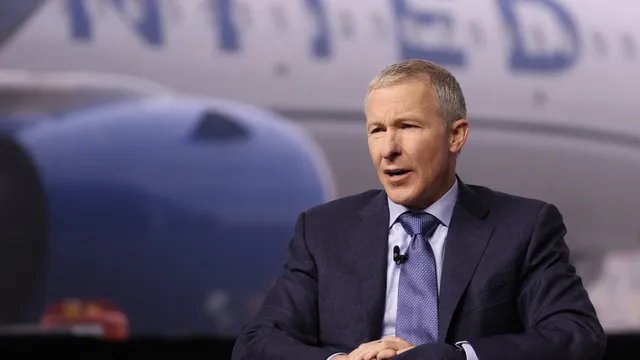
In the United States, United Airlines has implemented a strategy to increase airfares while maintaining strong demand for its services. During a conference call with Wall Street analysts, United CEO Scott Kirby highlighted the effectiveness of their brand loyalty strategy, which has allowed the airline to enhance customer experience and justify higher prices. This summer, flight search engine Skiplagged reported a 35% increase in prices for popular domestic routes and a 15% rise for international destinations. The airline has focused on transforming air travel into a quasi-luxury experience by adding premium seating, offering access to upscale lounges, and providing free upgrades and baggage fee waivers.
United Airlines has not disclosed the exact fare increases, but the company has noted a significant rise in revenue from high-end seats, which grew by 16% compared to the previous year. In contrast, basic economy revenue saw an 11% increase. The competitive landscape among major U.S. airlines has intensified, with Delta Airlines also testing planes with a majority of premium seats. United plans to enhance its in-flight experience by introducing Wi-Fi supported by Elon Musk's Starlink on 1,000 planes by the end of the year, while Delta has chosen Amazon's satellite service for its entertainment and shopping options.
The airline's strategies have successfully encouraged passengers to accept fare increases without significant resistance. Kirby mentioned that there was a recent fare increase coinciding with rising fuel costs, and he noted that fare reductions have not occurred when fuel prices have decreased. This trend is promising for United, which anticipates fuel expenses could rise by nearly $6 billion this year, surpassing earlier estimates. In the second quarter, the airline's fuel costs were 84% higher than the same period last year.
In March, United announced plans to replace more economy seats with premium options on certain aircraft. Recently, the airline introduced a new configuration in its economy plus section, featuring a row where the middle seat is always empty, replaced by a shared table for passengers in aisle and window seats. Kirby stated that when adjusted for inflation, ticket prices are approximately 13% lower than pre-pandemic levels in 2019. This suggests that passengers may need to adapt to higher fares moving forward, even if fuel costs decline, as they have largely accepted the price hikes without much complaint. Kirby emphasized that any industry must pass along price increases to remain viable.