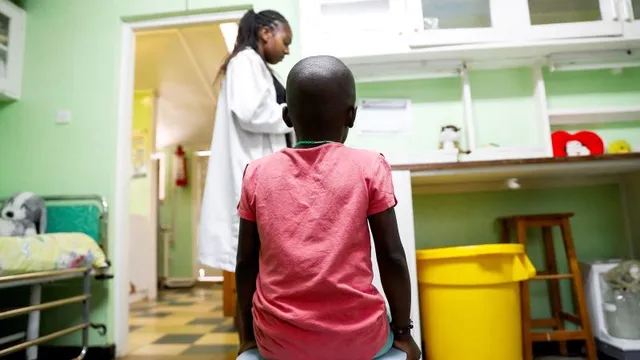
The impact of PEPFAR funding cuts on global health is a critical issue that has garnered attention from health professionals, policymakers, and communities worldwide. The President's Emergency Plan for AIDS Relief (PEPFAR) has been a cornerstone in the global fight against HIV/AIDS since its inception in 2003, providing billions of dollars in funding for prevention, treatment, and care programs. However, recent cuts to PEPFAR funding have raised concerns about the potential consequences for millions of individuals who rely on these services. The reduction in financial support threatens to reverse years of progress made in combating the HIV/AIDS epidemic, particularly in low- and middle-income countries where the burden of the disease remains disproportionately high.
The ramifications of these funding cuts extend beyond HIV/AIDS treatment alone. PEPFAR has played a vital role in strengthening health systems, improving maternal and child health, and addressing co-infections such as tuberculosis and malaria. The loss of funding could lead to increased morbidity and mortality rates, as well as a resurgence of diseases that were previously under control. Furthermore, the cuts may hinder the ability of healthcare providers to deliver comprehensive care, including mental health services and support for those affected by stigma and discrimination. The interconnectedness of health issues means that a decline in HIV/AIDS services could have a cascading effect on overall public health outcomes.
In addition to the direct health implications, the funding cuts could have significant socio-economic consequences. Many communities have come to rely on PEPFAR-supported programs for employment and economic stability. The reduction in funding may lead to job losses within the healthcare sector and related industries, exacerbating poverty and inequality. Moreover, the potential increase in HIV transmission rates could place additional strain on healthcare systems, leading to higher costs for governments and communities in the long run. The economic burden of untreated HIV/AIDS can be substantial, affecting not only individual health but also national productivity and economic growth.
Addressing the impact of PEPFAR funding cuts requires a multifaceted approach that involves advocacy, resource mobilization, and innovative solutions to sustain and expand HIV/AIDS programs. Stakeholders must work collaboratively to identify alternative funding sources, strengthen partnerships, and leverage community engagement to ensure that essential services remain accessible. It is crucial to emphasize the importance of continued investment in global health initiatives, as the fight against HIV/AIDS is far from over. The lessons learned from PEPFAR's successes and challenges can inform future strategies to combat not only HIV/AIDS but also other pressing health issues, ultimately contributing to a healthier and more equitable world.