Japan earthquake kills dozens and leaves many injured
environment
tragic
catastrophic

Japan earthquake kills dozens and leaves many injured

11
(Update: )
island country in East Asia
  • A magnitude 7.1 earthquake struck near Uki, Japan, resulting in 34 deaths and six serious injuries.
  • The quake caused widespread destruction, including power outages for 40,000 homes and halted rail services.
  • Prime Minister Sanae Takaichi has urged residents to remain vigilant for aftershocks as communities face water shortages.
Share opinion
1

Story

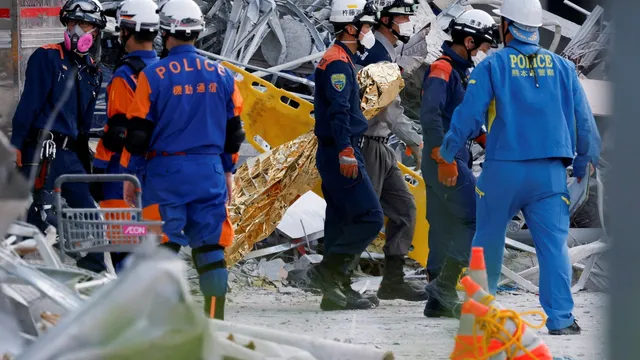
In southwestern Japan, a powerful earthquake struck near the city of Uki, resulting in significant loss of life and injuries. The magnitude 7.1 quake occurred on a Tuesday, leading to a rising death toll that has reached 34, with six additional individuals suffering serious injuries. The Kumamoto prefecture government confirmed these figures on Friday, highlighting the ongoing impact of the disaster on local communities. The earthquake caused widespread destruction, knocking out power to approximately 40,000 homes and halting rail services across the region. Furthermore, tsunami warnings were issued for areas on Japan's southern island of Kyushu, adding to the urgency of the situation. The aftermath of the earthquake has revealed that nearly half of the fatalities were linked to two specific incidents: structural damage at a Nippon Paper Industries paper mill and a possible gas explosion at an Aeon store. These incidents underscore the dangers posed by such natural disasters, particularly in a country that is known for its seismic activity. Prime Minister Sanae Takaichi has urged residents to remain vigilant for potential aftershocks, which could exacerbate the already dire circumstances. In addition to the immediate dangers posed by the earthquake, communities in the affected region are facing water shortages, which are further complicated by the ongoing summer heat. This situation has made relief efforts more challenging, as access to clean water is critical for both rescue operations and the well-being of those displaced by the disaster. The combination of structural damage, injuries, and resource shortages paints a grim picture of the current state of affairs in Kumamoto. Japan has a long history of dealing with earthquakes, and this recent event serves as a stark reminder of the risks associated with living in one of the world's most earthquake-prone countries. A previous major earthquake in Kumamoto a decade ago resulted in the loss of 275 lives, highlighting the ongoing vulnerability of the region to seismic events. As the community begins to recover from this latest disaster, the focus will be on rebuilding and ensuring that adequate measures are in place to mitigate the impact of future earthquakes.

Context

Japan is located in a seismically active region known as the Pacific Ring of Fire, making it one of the most earthquake-prone countries in the world. The history of earthquakes in Japan is extensive, with significant seismic events recorded for centuries. The earliest documented earthquake in Japan dates back to 416 AD, but the country has experienced numerous devastating earthquakes since then, including the famous 1923 Great Kanto Earthquake, which struck Tokyo and Yokohama, resulting in over 140,000 deaths and widespread destruction. This event highlighted the need for improved building codes and disaster preparedness, leading to significant changes in urban planning and construction practices in Japan. In the modern era, Japan has faced several major earthquakes, including the 1995 Great Hanshin Earthquake, which devastated the city of Kobe and caused over 6,000 fatalities. This earthquake prompted further advancements in earthquake engineering and disaster response strategies. The Japanese government has invested heavily in research and technology to mitigate the impact of earthquakes, including the development of early warning systems and earthquake-resistant infrastructure. The 2011 Tōhoku earthquake and tsunami, one of the most powerful earthquakes ever recorded, further underscored the importance of these measures, as it resulted in a catastrophic tsunami that led to the Fukushima Daiichi nuclear disaster, causing widespread environmental and health concerns. Japan's approach to earthquake preparedness is multifaceted, involving public education, community drills, and the establishment of emergency response protocols. The government conducts regular training exercises and encourages citizens to have emergency kits and plans in place. Schools and workplaces also participate in earthquake drills to ensure that individuals know how to respond during an earthquake. Additionally, Japan has implemented strict building codes that require new structures to be designed to withstand seismic forces, significantly reducing the risk of collapse during an earthquake. Despite these advancements, the threat of earthquakes remains a significant concern for Japan. The country continues to experience frequent seismic activity, with thousands of minor earthquakes occurring each year. The ongoing research into earthquake prediction and the development of new technologies to enhance safety and preparedness is crucial for minimizing the impact of future seismic events. As Japan moves forward, the lessons learned from its earthquake history will play a vital role in shaping its disaster management strategies and ensuring the safety of its citizens.