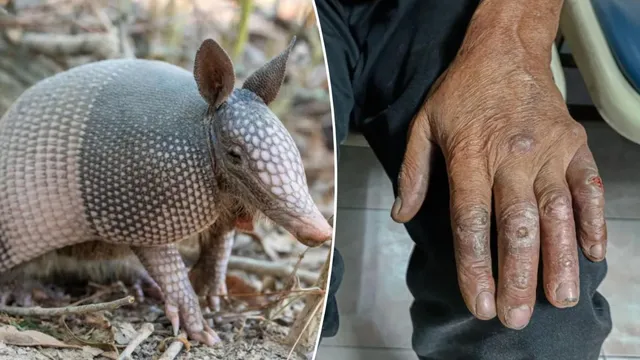
In the United States, particularly in Florida, there has been a notable increase in cases of Hansen's Disease, also known as leprosy. This ancient disease, which has been around for approximately 4,000 years, has seen a rise in reported cases, with Florida recording 8 cases in 2022, 23 in 2023, 20 in 2024, and 26 in 2025. Central Florida, especially Brevard County, has emerged as a hotspot, accounting for 55% of the cases reported from 2019 to 2022. The disease is caused by the Mycobacterium leprae bacteria, which is primarily transmitted through prolonged exposure to contaminated soil, particularly in areas where nine-banded armadillos are prevalent. These creatures are natural carriers of the bacteria and have been moving northward from southern states like Texas and Louisiana over the past few centuries. The bacteria can affect the skin and nerves, leading to symptoms such as thickened skin, ulcers, and potential loss of eyebrow hairs or eyelashes, with severe cases possibly resulting in blindness. Despite the stigma associated with leprosy, it is important to note that around 95% of people have a natural immunity to the disease, and it is highly treatable with antibiotics. Individuals who contract the disease become non-contagious after their first dose of medication. Most infections in the U.S. occur when individuals travel to countries where leprosy is more common, such as Brazil, India, and Indonesia. The rising cases in Florida highlight the need for awareness and understanding of the disease, its transmission, and the role of armadillos in its spread.