France delivers Rafale jets to Ukraine, marking a shift from Soviet aircraft
military conflicts
impactful
innovative

France delivers Rafale jets to Ukraine, marking a shift from Soviet aircraft

11
(Update: )
country in Eastern Europe
capital and largest city of Ukraine
  • France announced the delivery of 16 Dassault Rafale fighter jets to Ukraine on July 14, 2026.
  • This delivery represents a significant shift from Ukraine's reliance on Soviet-made aircraft.
  • The transition aims to modernize Ukraine's air force and improve its combat capabilities.
Share opinion
1

Story

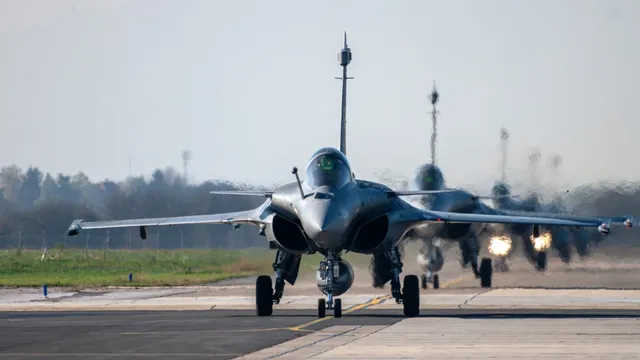
On July 14, 2026, France confirmed its commitment to deliver 16 Dassault Rafale fighter jets to Ukraine, marking a significant transition in the country's military aviation capabilities. This announcement comes as Ukraine's air force seeks to move away from its legacy fleet of Soviet-made aircraft, which has been the backbone of its combat operations since the dissolution of the USSR. The first four Rafale jets are expected to be delivered once Ukrainian pilots and maintenance crews complete their training, which could commence as early as 2026. The shift towards Western aircraft is a response to the challenges faced by Ukraine in maintaining its Soviet-era fleet, especially after supply chains for essential parts were disrupted following Russia's annexation of Crimea in 2014. The ongoing conflict with Russia has further emphasized the need for modernizing Ukraine's air force, which has already begun integrating various Western aircraft, including US-made F-16s and French Mirage 2000s. By early next year, Ukrainian pilots are also expected to operate several Swedish Gripens, adding to the diversity of their combat aircraft. Analysts suggest that the introduction of Rafales and other Western jets will complicate Ukraine's military logistics, as operating a mixed fleet of aircraft requires extensive training and support systems. Christoph Bergs, an air power analyst, noted that while many NATO countries prefer to operate a single model of fighter jet for efficiency, Ukraine's situation necessitates a more varied approach during this transitional phase. The complexity of managing multiple aircraft types could pose challenges, but it is seen as a necessary step towards phasing out outdated Soviet designs. The Rafale, which has been in service with the French armed forces since 2001, is known for its versatility in combat operations, capable of engaging both air and ground targets in various weather conditions. Its successful export to countries like Egypt, the United Arab Emirates, and India highlights its appeal, particularly as it comes with fewer geopolitical constraints compared to other fighter jets. However, the high cost of the Rafale, which can reach up to $250 million per unit, raises concerns about the financial implications for Ukraine as it seeks to modernize its air force amidst ongoing conflict.

Context

The impact of Western aircraft on Ukraine's air force has been significant, particularly in the context of the ongoing conflict that began in 2014 and escalated in 2022. The introduction of advanced Western aircraft into Ukraine's arsenal has not only enhanced its operational capabilities but has also shifted the strategic balance in the region. Western nations, recognizing the urgent need for Ukraine to defend its sovereignty, have provided various types of aircraft, including fighter jets and transport planes, which have been crucial in bolstering Ukraine's air defense and offensive operations. This support has allowed Ukraine to conduct more effective air operations, improve its reconnaissance capabilities, and enhance its overall military readiness against external threats. The integration of Western aircraft into Ukraine's air force has also necessitated extensive training and logistical support. Ukrainian pilots and ground crews have undergone rigorous training programs to familiarize themselves with the new aircraft systems, ensuring that they can operate these advanced machines effectively. This training has not only improved the technical skills of the Ukrainian military personnel but has also fostered closer ties between Ukraine and its Western allies, promoting a collaborative approach to defense and security. Furthermore, the logistical support provided by Western nations has been vital in maintaining the operational readiness of these aircraft, ensuring that they are equipped with the necessary spare parts and maintenance resources. Moreover, the presence of Western aircraft has had a psychological impact on both Ukrainian forces and their adversaries. For Ukrainian troops, the support from Western allies serves as a morale booster, reinforcing their commitment to defending their homeland. Conversely, the introduction of advanced Western aircraft has likely caused concern among opposing forces, potentially altering their strategic calculations. The enhanced capabilities of Ukraine's air force may deter aggression and contribute to a more stable security environment in the region. In conclusion, the impact of Western aircraft on Ukraine's air force has been profound, enhancing its operational capabilities, fostering international cooperation, and influencing the strategic dynamics of the conflict. As the situation continues to evolve, the ongoing support from Western nations will be crucial in ensuring that Ukraine can maintain its air superiority and effectively respond to any threats to its sovereignty. The integration of these advanced aircraft not only represents a significant upgrade to Ukraine's military capabilities but also underscores the importance of international solidarity in addressing security challenges.