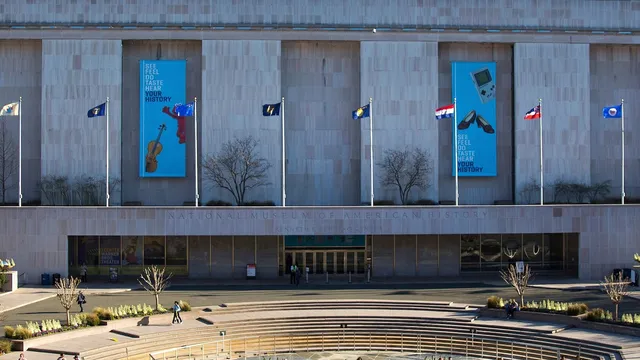
The impact of political activism on American history museums has been profound and multifaceted, shaping not only the narratives presented within these institutions but also their roles in society. Over the years, museums have evolved from being mere repositories of artifacts to becoming active participants in the discourse surrounding social justice, civil rights, and political movements. This transformation has been driven by a growing recognition of the need for museums to reflect the diverse experiences and histories of all Americans, particularly those marginalized in traditional historical narratives. As a result, many museums have begun to engage with contemporary issues, using their platforms to educate the public about the ongoing struggles for equality and justice in the United States.
One significant aspect of this evolution is the increasing involvement of community activists and organizations in the curation and programming of museum exhibits. Activists have pushed for the inclusion of underrepresented voices and perspectives, leading to exhibitions that address topics such as racial inequality, gender rights, and environmental justice. This collaborative approach not only enriches the museum experience for visitors but also fosters a sense of ownership and connection within the communities served by these institutions. By prioritizing inclusivity and representation, museums are not only preserving history but also actively participating in the shaping of future narratives.
Moreover, the rise of digital technology and social media has amplified the reach and impact of political activism within the museum sector. Museums are now able to engage with broader audiences through online platforms, allowing for real-time discussions and feedback on exhibits and programs. This shift has enabled museums to respond more swiftly to current events and societal changes, making them more relevant and responsive to the needs of their communities. Additionally, virtual exhibits and online resources have made it possible for individuals who may not have access to physical museums to engage with historical content and participate in discussions about political activism and its implications.
In conclusion, the intersection of political activism and American history museums represents a dynamic and evolving relationship that continues to shape the cultural landscape of the nation. As museums embrace their role as agents of social change, they are not only preserving the past but also influencing the present and future of American society. By fostering dialogue, promoting inclusivity, and engaging with contemporary issues, history museums are becoming vital spaces for reflection, education, and activism, ultimately contributing to a more informed and engaged citizenry.