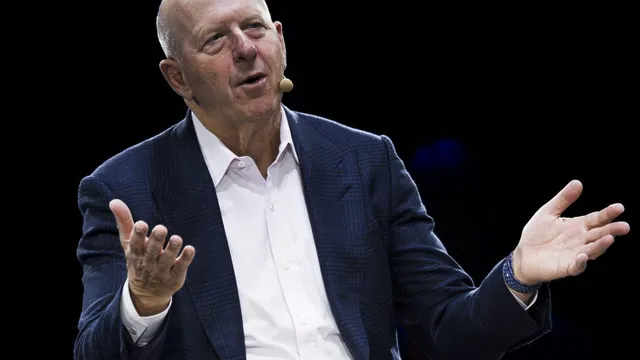
In a recent discussion on Sequoia Capital's Long Strange Trip podcast, David Solomon, the CEO of Goldman Sachs, emphasized the importance of experience over traditional academic credentials when hiring new employees. He stated that while intelligence is necessary, the ability to navigate the complexities of a large organization like Goldman Sachs requires a broader skill set. Solomon highlighted that candidates should not only be smart but also possess a proven track record of excellence and real-life expertise. He noted that relying solely on book smarts would not suffice for success in the firm. Solomon's perspective reflects a growing trend among CEOs who are increasingly valuing practical skills and experience over prestigious educational backgrounds. This shift is echoed by other industry leaders, including Ryan Roslansky, the former CEO of LinkedIn, who pointed out that hiring managers are now seeking talent that is adept in AI and other relevant skills rather than focusing solely on Ivy League graduates. Warren Buffett, the former CEO of Berkshire Hathaway, also shared similar sentiments, stating that he does not prioritize candidates' educational backgrounds when making hiring decisions. This evolving mindset suggests that the future of work may favor individuals with practical experience and skills that align with the demands of modern workplaces, rather than those with the most impressive academic credentials. Mark Zuckerberg, the founder of Meta, has also commented on the inadequacy of traditional college education in preparing graduates for the job market, indicating a potential reckoning in how educational qualifications are perceived in hiring processes.