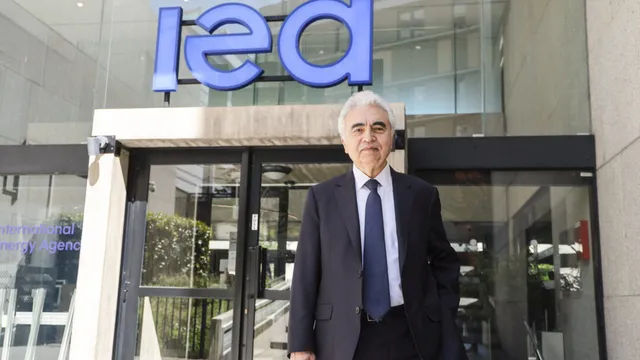
On July 21, 2026, tensions between the United States and Iran escalated, particularly concerning the Strait of Hormuz, a crucial oil shipping corridor. The U.S. military has been conducting airstrikes against Iranian military targets in response to attacks on American troops and commercial vessels. The situation has led to increased concerns about global oil supply, as the Strait of Hormuz is a vital route for oil transport, with about a fifth of the world's oil passing through it. The International Energy Agency (IEA) has been closely monitoring the situation and has expressed worries about the potential for further disruptions in oil supply due to the ongoing hostilities.
The U.S. administration, while open to diplomatic negotiations, has also indicated a willingness to continue military actions against Iran until certain conditions are met. Secretary of State Marco Rubio stated that the U.S. is responding to Iran's aggressive behavior, which includes missile and drone attacks on ships in the Strait of Hormuz. Despite the potential for talks, the increasing violence complicates the diplomatic landscape, making it difficult to establish trust between the two nations.
In addition to the U.S.-Iran conflict, the IEA highlighted the threats posed by the Houthi rebels in Yemen, who have announced a maritime embargo against Saudi Arabia. This development could further exacerbate the already precarious situation in the region, potentially leading to a complete shutdown of the Bab el-Mandeb Strait, another critical shipping route. The IEA's Executive Director, Fatih Birol, emphasized that the ongoing violence not only raises security concerns but also creates uncertainty in the global oil market.
Despite these challenges, the IEA noted that global oil markets have been somewhat resilient, benefiting from significant supplies from Gulf producers and other regions. The agency has also pointed out that emergency oil stock releases by member countries have provided relief to the markets. However, the IEA maintains that a resolution to the conflict, including the reopening of the Strait of Hormuz, is essential to avoid further deterioration in global energy security.