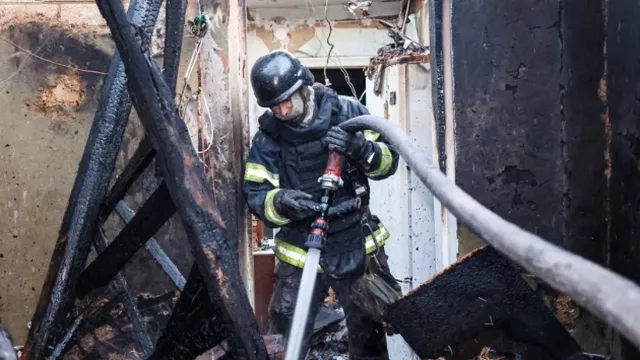
In Ukraine, specifically in Kharkiv, a series of drone strikes occurred on the evening of July 20 and the night of July 21, resulting in injuries to five individuals. The attacks were carried out by Russian forces using FPV drones and UAVs, targeting residential areas and infrastructure. The most significant incident took place in the Nemyshlianskyi district, where an enemy drone struck the roof of a private house, injuring five people, including a 12-year-old child. The State Emergency Service of Ukraine reported that a fire broke out as a result of the strike, prompting a swift response from rescue workers and medical personnel.
In addition to the attack on the private house, there were other drone strikes in Kharkiv on the same night. An FPV drone struck a parked car and a gas station in the Shevchenkivskyi district, causing damage but no injuries. The gas station incident involved a fire that was quickly extinguished, and equipment at the station was damaged. The attacks have raised concerns about the ongoing conflict and the use of drones in warfare, highlighting the risks faced by civilians in the region.
The Kharkiv Regional Prosecutor's Office has initiated pre-trial investigations into these incidents, classifying them as potential war crimes under Ukrainian law. The investigations are being conducted under the procedural guidance of the Shevchenkivskyi, Kyivskyi, and Nemyshlianskyi District Prosecutor's Offices. The situation in Kharkiv remains tense as authorities continue to assess the damage and provide support to those affected by the attacks.
The recent drone strikes are part of a broader pattern of violence in the region, with the State Emergency Service reporting numerous emergency operations in the past 24 hours. The psychological impact on the local population is significant, as many individuals are experiencing acute stress reactions due to the ongoing threat of attacks. The situation underscores the urgent need for international attention and support to address the humanitarian crisis resulting from the conflict.