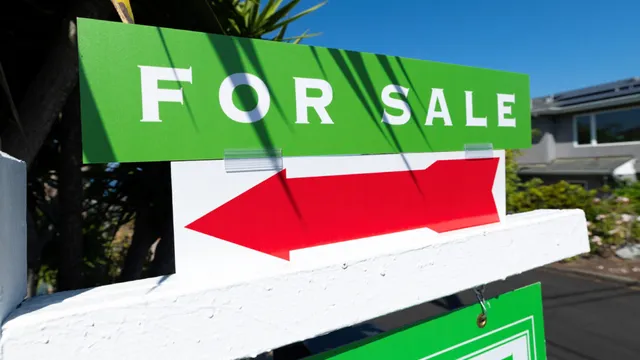
In the United States, the average rate for a 30-year fixed-rate mortgage has increased to 6.66%, marking the highest level in a year. This rise from 6.58% last week reflects ongoing economic pressures, particularly from inflation, which has remained stubbornly high. The Federal Reserve's recent decision to keep its key interest rate unchanged has contributed to the current mortgage rate environment, as the central bank grapples with inflation that has exceeded its 2% target for over five years. The Fed's stance indicates that future rate hikes are more likely than cuts, which could further impact borrowing costs.
Additionally, the 15-year fixed-rate mortgage has also seen an increase, now averaging 6.04%, up from 5.96% last week. This trend is particularly concerning for homeowners looking to refinance, as the rates are significantly higher than they were a year ago when the average was 5.85%. The rise in mortgage rates is closely tied to the performance of the 10-year Treasury yield, which has surged from 3.97% in late February to 4.66% recently, influenced by global events such as the Iran war that have driven crude oil prices higher and stoked inflation fears.
The impact of these rising mortgage rates is evident in the housing market, where home sales have struggled to gain momentum. Although seasonally adjusted sales of previously occupied homes increased by 0.7% from January to June compared to the previous year, they remain significantly below the historical norm of around 5.2 million annual sales, hovering close to a 4-million annual pace. This ongoing slump in the housing market can be traced back to the increase in mortgage rates that began in 2022, following the pandemic-era lows.
Recent data from the Mortgage Bankers Association indicates that the upward trend in mortgage rates has led to a 6.4% decline in mortgage applications last week. This decline reflects a growing hesitation among potential homebuyers, who are facing elevated borrowing costs. As the economic landscape continues to evolve, the outlook for interest rates remains uncertain, with many prospective buyers feeling the pressure of high mortgage rates this summer.