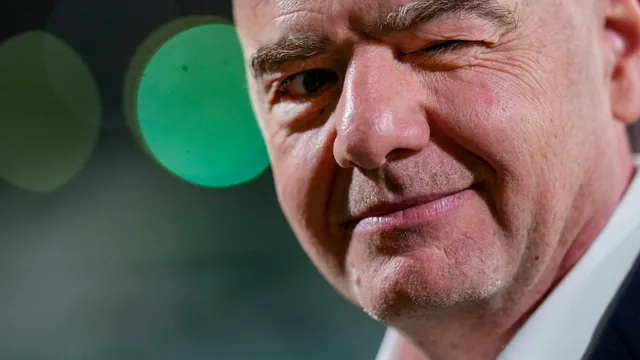
In late July 2026, FIFA President Gianni Infantino announced the cancellation of a controversial plan to sell minority stakes in the World Cup and other FIFA events to private investors. This decision came after significant backlash from various stakeholders within the football community, including UEFA and the Asian Football Confederation (AFC). The proposal had faced widespread criticism, with many expressing a loss of confidence in Infantino's leadership. UEFA stated that it would work with global partners to propose a new resource distribution method through the existing FIFA Forward programme, emphasizing the need for proper consultation and governance in football.
The reaction to the scrapped investment plan highlighted a growing discontent with FIFA's leadership. UEFA's statement indicated that the current FIFA leadership had lost the trust of many within the football family. The AFC president, Sheikh Salman bin Ebrahim Al Khalifa, echoed these sentiments, stressing the importance of collective dialogue and respect for established governance structures in football. The Dutch Football Association (KNVB) also expressed a fundamental breach of trust in Infantino's leadership, indicating that the matter was far from settled.
Despite the withdrawal of the proposal, concerns about transparency and governance within FIFA remain. Stakeholders are calling for continued discussions on how football should be governed and developed. The situation reflects a broader need for FIFA to rebuild trust and ensure that the interests of the football community are prioritized. The backlash against the investment plan serves as a reminder of the delicate balance between financial interests and the integrity of the sport.
As FIFA moves forward, the focus will likely shift towards establishing a more sustainable and independent model for international football. The commitment from various football associations to work together suggests a collective effort to address the deficiencies in FIFA's governance and restore confidence among stakeholders. The future of global football may depend on how effectively FIFA can navigate these challenges and engage with the football community in a meaningful way.