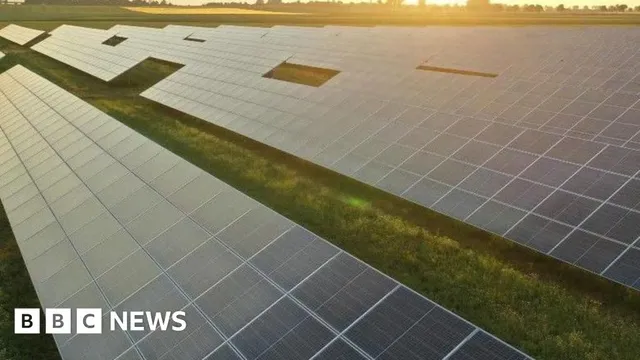
The transition to renewable energy sources in England has sparked a variety of community responses, reflecting a complex interplay of support, opposition, and ambivalence. As the government pushes for a greener economy, local communities are often at the forefront of these changes, experiencing both the benefits and challenges associated with renewable energy projects. Public sentiment can be influenced by factors such as environmental concerns, economic opportunities, and the perceived impact on local landscapes and communities. Understanding these responses is crucial for policymakers and developers aiming to implement successful renewable energy initiatives that align with community interests and values.
Support for renewable energy projects is frequently rooted in the desire for sustainable development and climate action. Many community members recognize the importance of reducing carbon emissions and transitioning away from fossil fuels. This support is often bolstered by the promise of job creation and economic growth associated with renewable energy installations, such as wind farms and solar parks. Communities may also appreciate the potential for energy independence and resilience that renewable sources can provide, particularly in rural areas where energy access can be a challenge. However, this support is not universal, and various factors can lead to opposition or skepticism.
Opposition to renewable energy projects often arises from concerns about environmental impacts, land use, and changes to the local landscape. For instance, wind turbines and solar panels can be seen as intrusive or detrimental to the natural beauty of an area, leading to resistance from residents who prioritize conservation and aesthetic values. Additionally, there may be fears regarding the impact on local wildlife and ecosystems, as well as concerns about noise and other disturbances associated with renewable energy installations. In some cases, communities feel that they have not been adequately consulted or involved in the decision-making process, leading to feelings of disenfranchisement and mistrust towards developers and government entities.
Ambivalence towards renewable energy projects is also common, with many community members expressing mixed feelings about the benefits and drawbacks. While they may support the idea of renewable energy in principle, they may have reservations about specific projects based on their location, scale, or implementation. This ambivalence can be exacerbated by a lack of clear information and communication from project developers, which can lead to misunderstandings and misinformation. Engaging with communities early in the planning process and providing transparent information can help to alleviate concerns and foster a more positive dialogue around renewable energy initiatives.
In conclusion, community responses to renewable energy projects in England are diverse and multifaceted, shaped by a range of social, economic, and environmental factors. Policymakers and developers must navigate this complex landscape by actively engaging with communities, addressing concerns, and highlighting the benefits of renewable energy. By fostering collaboration and understanding, it is possible to create a more supportive environment for renewable energy projects that not only advance environmental goals but also respect and enhance local communities.