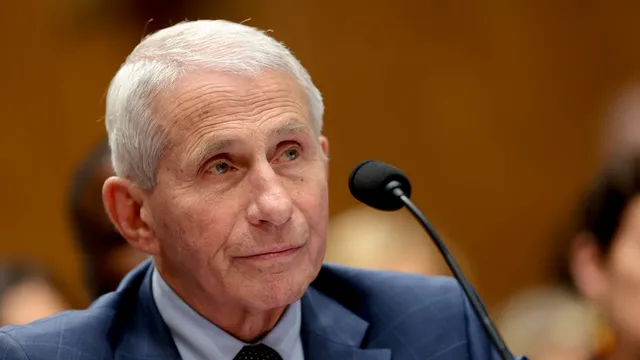
In a recent Senate hearing, Dr. Anthony Fauci invoked the Fifth Amendment, refusing to answer questions regarding the origins of COVID-19. This decision came during a tense exchange with Republican lawmakers, where he cited concerns over being prosecuted by Senator Rand Paul. Ryan Goodman, a law professor at New York University, expressed skepticism about Fauci's legal strategy, suggesting that invoking the Fifth could lead to contempt charges, despite Fauci not facing criminal jeopardy due to a preemptive pardon granted by President Joe Biden. Goodman noted that the Justice Department might still pursue an indictment, complicating Fauci's legal situation further.
Goodman highlighted that while Fauci's pardon protects him from actions taken before January 2025, it does not exempt him from testifying. The legal implications of invoking the Fifth Amendment in this context are significant, as it raises questions about the effectiveness of the pardon and the potential for legal repercussions. Goodman pointed out that the current Justice Department may not respect the pardon, which adds another layer of complexity to the situation.
President Donald Trump commented on the matter, acknowledging the power of the presidential pardon and expressing respect for Fauci's situation. He emphasized that the pardon is a powerful tool, but also noted that the ongoing political climate could influence how such legal protections are viewed and enforced. This situation illustrates the intersection of law, politics, and public health, as Fauci's actions are scrutinized in a highly charged political environment.
As the debate continues, the implications of Fauci's decision to invoke the Fifth Amendment will likely resonate beyond this hearing, affecting public perception and the legal landscape surrounding COVID-19 and its origins. The ongoing discussions about the legality of the pardon and the potential for future legal challenges will be critical in shaping the narrative around Fauci and his role in the pandemic response.