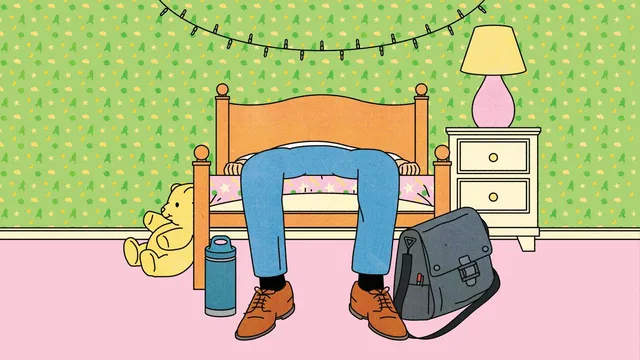
In the United States, a significant number of young adults are living with their parents, a trend that has been observed over the past twenty-five years. Recent data from the Census Bureau indicates that by 2025, fifty-eight percent of individuals aged eighteen to twenty-four will be residing in their parents' homes. This statistic includes students living in dormitories during the academic year, complicating the understanding of living arrangements. While some reports suggest a post-pandemic increase in young adults living at home, the census data does not show a drastic spike for those aged twenty-five to thirty-four, a demographic often viewed as more concerning. In 2019, 20.4 percent of men and 13.1 percent of women in this age group lived with a parent, indicating a steady rise rather than a sudden surge. Analysts have debated the reasons behind this trend, with some attributing it to rising housing costs and delayed life milestones such as marriage and homeownership. However, a Pew analysis found no direct correlation between rent prices and the percentage of young adults living at home. The narrative surrounding this issue often leans towards a perception of societal decline, yet many young people appear to be managing their circumstances reasonably well, even if they are not achieving the financial independence they desire. The economic landscape has changed, with many young adults finding jobs that may not align with their educational aspirations, leading to a sense of disillusionment regarding traditional pathways to success. As the economy evolves, the expectations of young adults and their families may need to adapt to the realities of modern life, where living at home is becoming a more common arrangement.