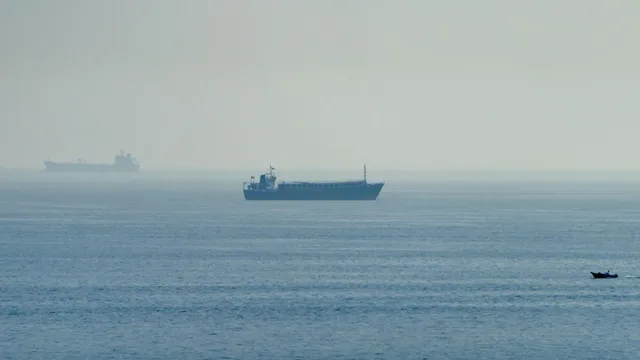
The current tensions between the United States and Iran have been a focal point of international relations, particularly since the U.S. withdrawal from the Joint Comprehensive Plan of Action (JCPOA) in 2018. This decision led to the re-imposition of economic sanctions on Iran, which significantly impacted its economy and escalated hostilities between the two nations. Iran's subsequent actions, including the resumption of uranium enrichment and aggressive military posturing in the Persian Gulf, have further strained relations. The U.S. has responded with military deployments in the region and a series of diplomatic efforts aimed at curbing Iran's nuclear ambitions and regional influence, particularly in Iraq and Syria, where Iranian-backed militias operate.
In recent years, incidents such as the assassination of Iranian General Qassem Soleimani in January 2020 and attacks on U.S. military bases in Iraq attributed to Iranian proxies have heightened the risk of direct conflict. The U.S. has maintained a policy of maximum pressure, seeking to isolate Iran economically and diplomatically. However, this approach has not yielded the desired results, as Iran has continued to advance its nuclear program and assert its influence across the Middle East. The Biden administration has expressed a willingness to return to negotiations regarding the JCPOA, but significant gaps remain between the two sides, particularly concerning sanctions relief and Iran's regional activities.
The geopolitical landscape is further complicated by the involvement of other regional players, including Israel and Saudi Arabia, who view Iran as a significant threat to their security. Israel has conducted numerous airstrikes against Iranian targets in Syria and has been vocal about preventing Iran from acquiring nuclear weapons. Meanwhile, Saudi Arabia has sought to counter Iran's influence through various means, including military engagement in Yemen and forming alliances with other Gulf states. The potential for a broader conflict remains a concern, as both the U.S. and Iran have demonstrated a willingness to engage in military actions that could escalate tensions.
As of August 2026, the situation remains fluid, with ongoing diplomatic efforts to de-escalate tensions. The international community, including the European Union and other signatories of the JCPOA, continues to advocate for dialogue and negotiation as the primary means to resolve the crisis. However, the path forward is fraught with challenges, as both the U.S. and Iran must navigate domestic political pressures and regional dynamics that complicate the prospect of a lasting resolution. The stakes are high, as the potential for miscalculation or unintended escalation could have dire consequences for regional stability and global security.