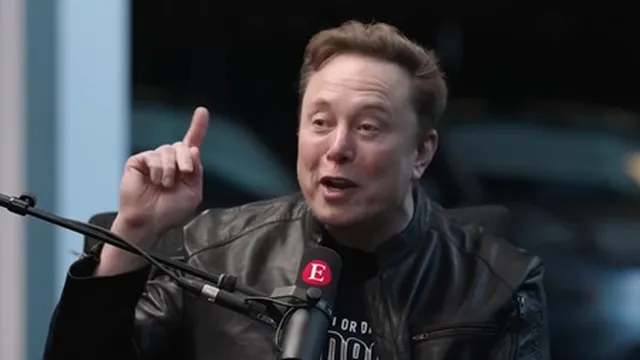
In a recent interview, Elon Musk engaged in a heated exchange with Zanny Minton Beddoes, the editor-in-chief of The Economist, where he expressed his discontent with the media's characterization of the far right. Musk argued that the views labeled as far right today were once considered mainstream, citing examples from speeches made by former President Barack Obama and Hillary Clinton. He emphasized that the current political climate has shifted significantly, leading to a misrepresentation of normal political discourse. Musk's comments came against a backdrop of rising tensions in the UK, where concerns about migration and cultural clashes have been increasingly prevalent. He warned that these issues could lead to civil unrest, a sentiment echoed by various analysts who have noted the growing political factionalism and demographic changes in the country. Musk's remarks reflect a broader concern about the future of Western civilization and the challenges posed by rapid migration. He criticized the media for failing to acknowledge these threats, suggesting that the refusal to engage with these realities could have dire consequences for society. The interview highlighted the stark divide in political perspectives and the challenges of navigating a rapidly changing cultural landscape, with Musk positioning himself as a defender of what he considers to be the 'normal' views of the populace. His comments have sparked debate about the role of media in shaping public perception and the implications of labeling political ideologies.