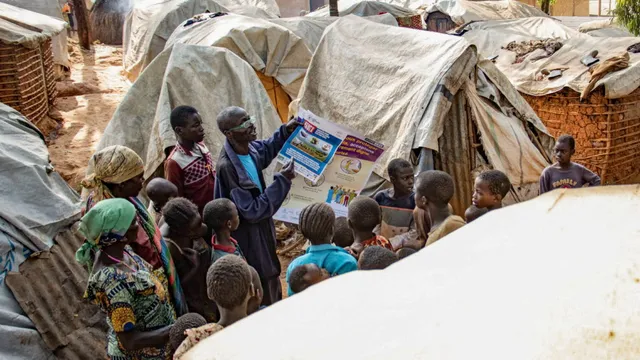
In eastern Congo, a severe Ebola outbreak has exacerbated an already dire humanitarian situation. The outbreak, declared on May 15, has led to a rapid increase in food insecurity, with over 10 million people facing crisis or emergency levels of hunger. The World Food Program's acting executive director, Carl Skau, highlighted that the Ituri province, the epicenter of the outbreak, is particularly affected, with 1.9 million people in need of food assistance. The ongoing conflict in the region has further complicated efforts to provide aid, as insecurity has restricted access to fields and markets.
Since the outbreak began, the number of confirmed Ebola cases has surged, with 3,360 cases reported and 1,487 deaths recorded. This rapid increase in fatalities has raised alarms, as it took only two months to reach these numbers, compared to the previous outbreak in West Africa, which took eight months to reach a similar death toll. The lack of approved vaccines or treatments for the Bundibugyo virus responsible for this outbreak has made the situation even more challenging. A vaccine trial is currently underway, but it may take months before a vaccine is available in Congo.
The humanitarian response has been hampered by funding shortages, with the $2.1 billion appeal for Congo only 45% funded. The World Food Program has had to reduce the number of people it assists from 3 million last year to just 1 million this year due to financial constraints. The measures implemented to control the spread of Ebola, such as border closures and restrictions on movement, have disrupted daily life and increased food and fuel prices, further straining the population's ability to access food.
Health workers in the region are witnessing a rise in malnutrition cases, particularly among children, as families struggle to feed themselves amid the ongoing crisis. The director-general of the Mongbwalu General Hospital, Dr. Richard Lokudu, reported an increase in malnutrition cases even at the Ebola treatment center. The United Nations is working to build trust within communities to encourage individuals with symptoms to seek treatment promptly, as early intervention significantly improves survival chances. However, the combination of the Ebola outbreak and the existing conflict continues to create a catastrophic situation for millions in eastern Congo.