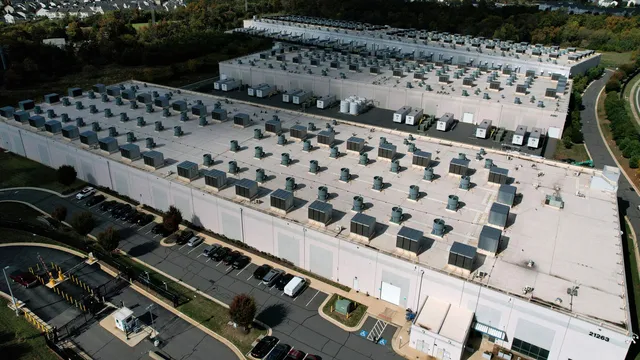
The impact of data centers on electricity prices is a multifaceted issue that has garnered significant attention in recent years. As the demand for digital services continues to surge, data centers have become critical infrastructure, supporting everything from cloud computing to streaming services. However, their energy consumption is substantial, leading to concerns about how this demand influences electricity prices. Data centers require vast amounts of electricity to operate servers, cooling systems, and other essential equipment, which can strain local power grids, especially in regions where energy resources are limited or where renewable energy sources are still being developed. This increased demand can lead to higher electricity prices for consumers and businesses alike, as utilities may need to invest in additional infrastructure or rely on more expensive energy sources to meet the growing needs of these facilities.
Moreover, the geographical distribution of data centers plays a significant role in their impact on electricity prices. Areas with abundant renewable energy resources, such as wind or solar power, may experience less price volatility as data centers can take advantage of lower-cost energy. Conversely, regions that rely heavily on fossil fuels may see more significant price increases as data centers compete for limited resources. Additionally, the construction of new data centers can lead to increased demand for electricity in specific locales, potentially driving up prices in those areas. This dynamic can create a ripple effect, influencing not only local consumers but also businesses that depend on stable electricity costs to operate efficiently.
The relationship between data centers and electricity prices is further complicated by regulatory and policy frameworks. Governments and utility companies are increasingly recognizing the need to balance the economic benefits of attracting data centers with the potential strain on energy resources. Incentives for energy efficiency and the adoption of renewable energy sources can help mitigate the impact of data centers on electricity prices. For instance, some regions have implemented policies that encourage data centers to utilize renewable energy, which can stabilize prices and reduce the overall carbon footprint of these facilities. Additionally, demand response programs allow data centers to adjust their energy consumption during peak periods, helping to alleviate pressure on the grid and maintain more stable pricing.
In conclusion, the impact of data centers on electricity prices is a complex interplay of demand, resource availability, and regulatory frameworks. As the digital economy continues to expand, understanding this relationship will be crucial for policymakers, utility companies, and businesses alike. By promoting energy efficiency and the use of renewable resources, stakeholders can work towards a more sustainable model that supports the growth of data centers while minimizing their impact on electricity prices. This balance is essential not only for the economic viability of data centers but also for the broader goal of achieving a sustainable energy future.