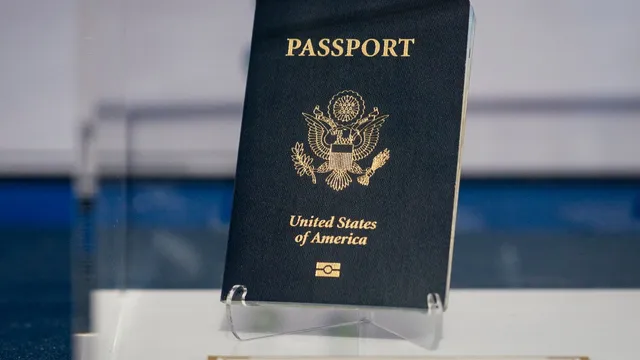
In July 2026, the Henley Passport Index revealed that the U.S. passport has fallen to its lowest ranking in a decade, now positioned at 10th place. This decline is attributed to the increasing number of countries that have expanded their visa-free access through new agreements, while the U.S. has maintained strict immigration policies. Countries like Singapore, Japan, and several European nations have aggressively negotiated visa-waiver agreements, enhancing their citizens' travel access. Experts suggest that this trend indicates a gradual erosion of the U.S.'s diplomatic agility and soft power, as other nations cultivate broader networks of reciprocal relationships.
The index compares the visa-free access of 199 passports to 227 travel destinations, highlighting that over 30 countries now rank ahead of the U.S. Singapore leads the ranking, followed by Japan, South Korea, and the United Arab Emirates, all tied for second place. The U.S. passport still allows Americans to travel to around 180 destinations without a visa, but the Visa Waiver Program currently permits visa-free entry for citizens of only 42 countries. This situation reflects a broader trend where the U.S. is losing ground in a global environment where other nations are rapidly expanding their travel arrangements.
Experts have pointed out that the U.S. remains one of the few highly ranked passport countries whose citizens still require visas to enter China, while other countries have benefited from regional cooperation and new visa concessions. The U.S. has been criticized for its security-focused immigration policies, which limit its ability to offer reciprocal access to other nations. This has led to a perception that the American passport, while still powerful, is losing its relative advantage as other countries open more doors for their citizens.
The implications of this decline extend beyond travel, as the strength of a passport is often seen as a reflection of a country's global relationships. Experts argue that nations that invest in diplomacy, trust, and reciprocity are more likely to improve their passport rankings. The broader message is that global influence cannot be taken for granted, and countries must continually work to strengthen their international relationships to ensure their citizens are welcomed around the world.