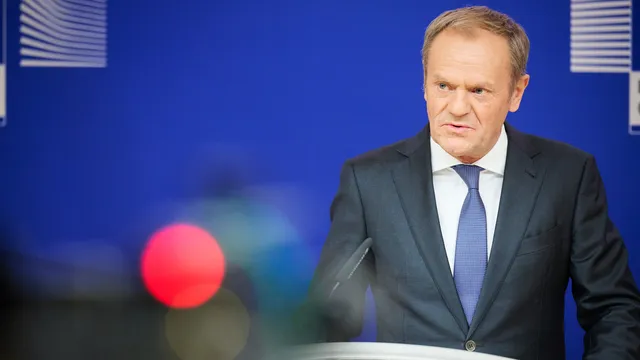
On November 15, 2022, Poland experienced a significant security incident when a missile, believed to be a Russian Kh-101, entered its airspace. The radar detected the object at approximately 03:40 AM, prompting the deployment of an F-16 fighter jet to investigate. However, by 03:46 AM, the missile had vanished from radar screens before it could be definitively identified. The Polish military was prepared to take action if the missile continued on its trajectory, but it ultimately fell in a rural area, avoiding populated regions. This incident raised questions about the speed and effectiveness of Poland's response mechanisms in the face of potential threats from Russia. The Polish Prime Minister acknowledged the complexities of decision-making in such high-pressure situations, emphasizing that no defense system is infallible and that human judgment plays a crucial role in these scenarios. The aftermath of the incident saw a debate over accountability and the need for rapid identification of aerial threats, highlighting the lessons learned from Romania's previous experiences with similar situations. The Polish government recognized the importance of improving its capabilities to assess and respond to threats more swiftly, as the six-minute window for decision-making proved to be a critical factor in this incident.