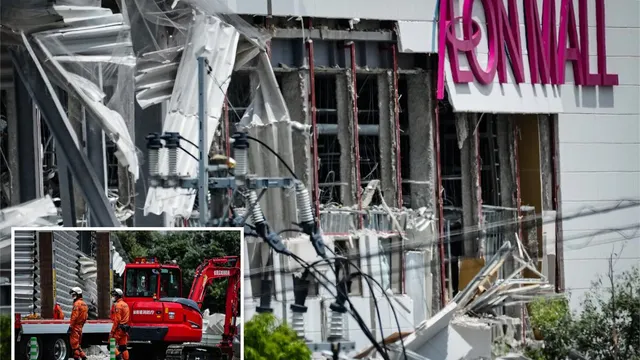
Japan is one of the most seismically active countries in the world, experiencing numerous earthquakes each year. The impact of these earthquakes on infrastructure is profound, affecting everything from buildings and bridges to transportation systems and utilities. The country's geographical location along the Pacific Ring of Fire makes it particularly vulnerable to seismic events, necessitating a robust approach to infrastructure resilience. Over the years, Japan has developed advanced engineering techniques and stringent building codes aimed at minimizing damage during earthquakes. These measures have significantly improved the safety and durability of structures, yet the challenges remain substantial due to the unpredictable nature of seismic activity.
The effects of earthquakes on infrastructure can be catastrophic, leading to loss of life, economic disruption, and long-term damage to essential services. For instance, the Great East Japan Earthquake in 2011 caused extensive damage to roads, railways, and ports, severely impacting transportation and logistics. The destruction of critical infrastructure not only hampers immediate rescue and recovery efforts but also affects the long-term economic stability of affected regions. In response, Japan has invested heavily in disaster preparedness and response strategies, including the development of early warning systems and emergency response plans that prioritize the restoration of essential services following an earthquake.
Moreover, the integration of technology in monitoring and maintaining infrastructure has become increasingly important. The use of sensors and data analytics allows for real-time assessment of structural integrity, enabling timely interventions to prevent catastrophic failures. Additionally, retrofitting older buildings and infrastructure to meet modern seismic standards is a critical aspect of Japan's strategy to mitigate earthquake impacts. This proactive approach not only enhances safety but also ensures that infrastructure can withstand future seismic events, thereby protecting communities and economies.
In conclusion, while Japan has made significant strides in improving the resilience of its infrastructure against earthquakes, the ongoing threat posed by seismic activity requires continuous innovation and investment. The lessons learned from past earthquakes have shaped current practices and policies, emphasizing the importance of preparedness, technology, and community engagement in building a safer future. As Japan continues to face the challenges of living in a seismically active region, the commitment to enhancing infrastructure resilience remains a top priority, ensuring that the nation can effectively respond to and recover from future earthquakes.