In a significant escalation of tensions, Iran's Islamic Revolutionary Guard Corps (IRGC) launched multiple ballistic missiles targeting US forces based in the Middle East. This attempted surprise attack occurred as US Central Command (CENTCOM) reported that all missiles were intercepted, ensuring the safety of US personnel. The IRGC claimed responsibility for the attack, stating it was a response to ongoing threats against Iran and illegal actions by American forces. The missile interceptions were reported over Jordan, indicating the geographical scope of the conflict.
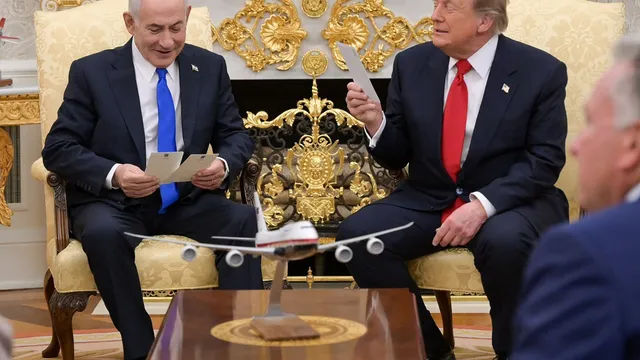
The attack came after a series of tit-for-tat bombings between the US and Iran, which had been ongoing for 13 consecutive days. Analysts suggest that this latest escalation may be a pre-emptive measure by Iran, aiming to regain the initiative in the ongoing conflict. The situation is further complicated by the political backdrop, as President Donald Trump was meeting with Israeli Prime Minister Benjamin Netanyahu at the White House during the missile launch. Netanyahu has been advocating for a more aggressive stance against Iran, which adds another layer of complexity to the already tense situation.
In the wake of the missile attack, US oil futures surged, reflecting market reactions to the heightened tensions in the region. Oil prices had been declining prior to the attack, but the confirmation of the Iranian strike caused a significant spike, with US oil futures rising over 4 percent. This volatility in oil prices underscores the economic implications of military actions in the Middle East, particularly in the Strait of Hormuz, a critical shipping route for global oil supplies.
Iran's actions also included the targeting of three oil tankers in the Strait of Hormuz, which Iran claims were operating illegally. The Iranian government rejected a proposal from Oman to jointly manage shipping traffic in the strait, asserting its right to control the waterway. This rejection highlights Iran's determination to assert its influence in the region, despite international pressure. The ongoing conflict and military actions are likely to have lasting impacts on diplomatic efforts and regional stability.