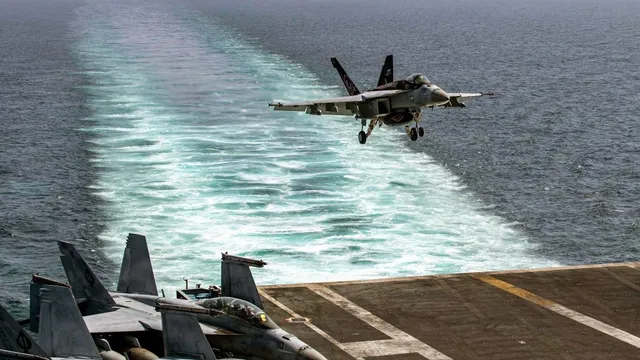
In the context of the ongoing conflict in Iran, defense contractors have experienced significant fluctuations in their stock prices. Trading volumes surged during the initial days of the conflict, with some companies seeing increases of up to 140% above their average levels. However, this initial excitement was short-lived, as major firms like Northrop Grumman, L3Harris Technologies, and Lockheed Martin have since reported substantial declines in their stock values, with Northrop Grumman down over 30%. This downturn is surprising given the Pentagon's extensive use of high-end munitions, including over 1,000 Tomahawk cruise missiles, during the conflict. Analysts suggest that the market had already priced in much of the anticipated benefits from increased military spending, leading to a selloff as investors reassess the long-term potential of these stocks. The current political and economic climate is also influencing investor sentiment, as they await clarity on whether higher defense budgets will translate into new contracts and stronger earnings. Meanwhile, a new wave of defense technology startups is emerging, aiming to capture a share of the defense spending market. These companies are attracting significant venture capital investment, with billions being funneled into innovative defense solutions. As traditional contractors face challenges, these startups may redefine the landscape of defense contracting, potentially leading to a shift in which companies benefit from future military spending. Investors are now tasked with determining whether the next wave of defense spending will favor established firms or the new entrants in the market.