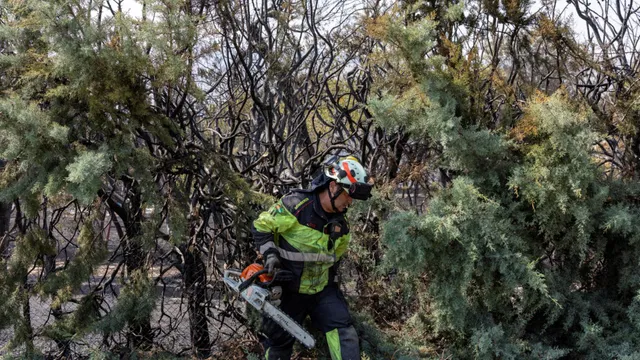
Climate change has emerged as a significant factor influencing the frequency and intensity of wildfires in Spain. Over the past few decades, rising temperatures, prolonged droughts, and changing precipitation patterns have created an environment conducive to wildfires. The Mediterranean climate, characterized by hot, dry summers and mild, wet winters, is particularly vulnerable to these changes. As temperatures continue to rise, the risk of wildfires increases, leading to devastating impacts on ecosystems, human health, and local economies. The combination of higher temperatures and reduced rainfall has resulted in drier vegetation, which serves as fuel for wildfires, making them more likely to ignite and spread rapidly.
The impact of climate change on wildfires in Spain is evident in the increasing number of fire incidents and the area burned each year. Data indicates that the average annual area affected by wildfires has significantly increased since the early 2000s. Regions such as Catalonia, Andalusia, and Valencia have experienced some of the most severe wildfire events, with fires becoming more frequent and intense. These wildfires not only threaten biodiversity and natural habitats but also pose risks to human settlements, leading to evacuations, property damage, and loss of life. The economic costs associated with firefighting efforts and recovery from wildfires can be substantial, straining local and national resources.
In response to the growing threat of wildfires exacerbated by climate change, Spain has implemented various strategies aimed at prevention and mitigation. These include enhancing forest management practices, increasing investment in firefighting resources, and promoting community awareness programs. Additionally, the Spanish government has been working to develop policies that address the underlying causes of climate change, such as reducing greenhouse gas emissions and promoting sustainable land use practices. Collaborative efforts between local communities, government agencies, and environmental organizations are crucial in building resilience against wildfires and adapting to the changing climate.
Looking ahead, it is essential for Spain to continue prioritizing research and monitoring of wildfire patterns in relation to climate change. Understanding the complex interactions between climate variables and wildfire behavior will be vital for developing effective management strategies. Furthermore, integrating climate adaptation measures into land-use planning and community development can help reduce vulnerability to wildfires. As climate change continues to pose challenges, proactive measures and a comprehensive approach will be necessary to safeguard both the environment and the well-being of communities at risk from wildfires.