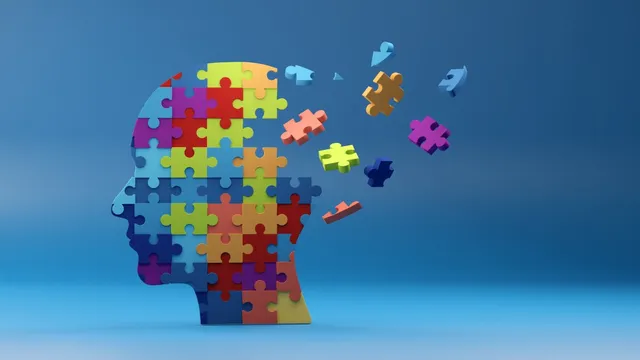
In recent discussions about dementia care, experts Matthew Call and Todd Graham emphasize the need to change the narrative surrounding dementia diagnoses. They argue that traditional approaches have overly concentrated on what individuals can no longer do, often neglecting to recognize their remaining strengths and abilities. This perspective shift is crucial for caregivers and health professionals, as it allows for a more holistic understanding of patients. The Preserved Abilities Method, developed by Call and Graham, aims to implement scientific assessments and AI-assisted analysis to identify these strengths, ultimately enhancing communication and care strategies for those affected by dementia.
The methodology promotes a collaborative approach among caregivers, healthcare providers, and family members, ensuring that everyone involved has a shared understanding of the individual behind the diagnosis. This is particularly important in memory care communities and rehabilitation settings, where continuity of care can significantly impact the quality of life for patients. By focusing on what remains rather than what has been lost, caregivers can create more meaningful interactions and activities that resonate with the individual’s past experiences and identity.
Call and Graham's insights stem from personal experiences, particularly Graham's reflections on his father's diagnosis. They highlight the importance of seeing beyond the diagnosis to appreciate the person’s unique qualities and capabilities. This approach not only fosters a more positive environment for patients but also empowers caregivers to engage with them in ways that honor their individuality. The M.I. Care Hub, a resource linked to this methodology, provides practical recommendations tailored to each person's preserved abilities, further supporting caregivers in their efforts.
Ultimately, the shift in dementia care philosophy advocated by Call and Graham challenges long-standing conventions and encourages a more compassionate and individualized approach. By recognizing and nurturing the abilities that remain, the healthcare community can improve the overall experience for those living with dementia, ensuring that their identities are not overshadowed by their diagnosis.