Mitch McConnell hospitalized amid health concerns and rumors
politics
controversial
update

Mitch McConnell hospitalized amid health concerns and rumors

111
(Update: )
American politician and lawyer (born 1942)
  • Mitch McConnell was hospitalized on June 14, 2026, after being found unconscious at home.
  • His office has stated he is recovering and working with staff, but has not disclosed specific health issues.
  • The lack of transparency has led to public speculation and criticism regarding the health of elected officials.
Share opinion
11

Story

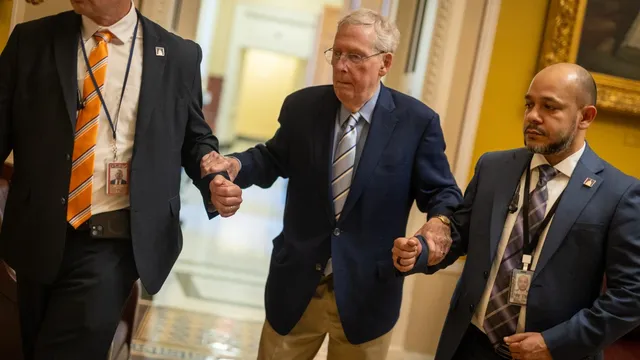
In the United States, Republican Senator Mitch McConnell has been hospitalized since June 14, 2026, raising significant concerns about his health. The 84-year-old senator was found unconscious at his home in Washington, D.C., and was subsequently transported to the hospital by emergency services. Despite the seriousness of his condition, details regarding the specific health issues that led to his hospitalization have not been disclosed by his office, leading to rampant speculation and rumors online about his status, including unverified claims of him being 'brain dead.' As of July 6, 2026, McConnell's office has issued statements indicating that he is recovering and continues to work closely with his staff on Senate matters, although he has not been present in the Senate during this time. His spokesperson has emphasized that he appreciates the support he is receiving while he continues his recovery. However, the lack of transparency regarding his health has sparked criticism and concern among the public and political colleagues alike, especially given the senator's previous health issues, including a concussion and other falls in recent years. The situation has drawn attention to a broader trend among politicians who may be concealing health problems from the public. This has become a contentious issue, particularly following the 2024 presidential campaign, where there was significant scrutiny over the health disclosures of federal officials. The public's right to know about the health of their elected officials is being debated, especially when such health issues could impact their ability to perform their duties. As the Senate prepares to reconvene on July 13, 2026, the implications of McConnell's absence are significant, particularly for the Republican Party, which is navigating a slim majority in the Senate. His hospitalization has already resulted in missed votes on critical legislation, raising questions about the party's ability to function effectively in his absence. The ongoing uncertainty surrounding McConnell's health continues to be a focal point of discussion in political circles, as both supporters and critics await further updates on his condition.

Context

The issue of health transparency among politicians has gained significant attention in recent years, particularly as public trust in government institutions continues to wane. Citizens increasingly demand to know the health status of their elected officials, especially in light of the critical decisions that these individuals make regarding public health policies, funding for healthcare, and responses to health crises. The lack of transparency can lead to speculation, misinformation, and a general sense of distrust among the electorate. As such, it is essential to explore the implications of health transparency and the current practices surrounding it in the political arena. Health transparency refers to the practice of openly sharing information about an individual's health status, medical history, and any ongoing health issues. For politicians, this can be particularly sensitive, as their health can directly impact their ability to serve and make decisions on behalf of their constituents. However, many politicians are hesitant to disclose personal health information due to concerns about privacy, potential stigma, and the fear of political repercussions. This reluctance can create a gap between public expectations and the reality of political practices, leading to calls for more stringent regulations and standards regarding health disclosures. In various countries, there have been attempts to establish guidelines for health transparency among politicians. Some jurisdictions have implemented laws requiring elected officials to disclose certain health information, while others have left it to individual discretion. The effectiveness of these measures varies widely, and there is ongoing debate about the balance between personal privacy and the public's right to know. Advocates for health transparency argue that it is crucial for maintaining accountability and ensuring that elected officials are fit to serve, while opponents caution against the potential for misuse of health information and the invasion of personal privacy. As society continues to grapple with these issues, it is clear that health transparency among politicians is a complex and multifaceted topic. The need for a standardized approach that respects individual privacy while also addressing public concerns is paramount. Future discussions should focus on developing best practices that promote transparency without compromising the dignity and rights of elected officials. Ultimately, fostering a culture of openness regarding health issues can help rebuild trust between politicians and the public, ensuring that citizens feel informed and engaged in the democratic process.