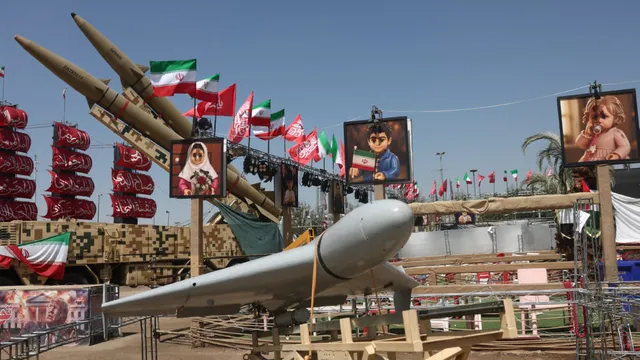
The impact of U.S. military actions in the Middle East has been profound and multifaceted, influencing regional stability, international relations, and the lives of millions. Since the early 2000s, the U.S. has engaged in various military operations in countries such as Iraq and Afghanistan, aimed at combating terrorism and promoting democracy. These actions have often been justified by the need to eliminate threats posed by extremist groups, but they have also led to significant unintended consequences. The power vacuums created by military interventions have frequently resulted in civil unrest, the rise of insurgent groups, and prolonged conflicts, complicating the geopolitical landscape of the region. The U.S. military presence has also been a source of tension with local populations, leading to anti-American sentiments and protests against foreign intervention.
The consequences of U.S. military actions extend beyond immediate military objectives. The long-term effects on the social fabric of the region have been severe, with millions displaced from their homes due to conflict and instability. The humanitarian crises resulting from these military actions have drawn international attention, with organizations struggling to provide aid to those affected. Additionally, the economic repercussions have been significant, as countries like Iraq have faced challenges in rebuilding their infrastructure and economies post-conflict. The reliance on military solutions has often overshadowed diplomatic efforts, limiting the potential for peaceful resolutions and fostering an environment where extremist ideologies can thrive.
Moreover, U.S. military actions have reshaped alliances and rivalries in the Middle East. Countries such as Iran have capitalized on the instability caused by U.S. interventions to expand their influence, leading to a shift in the balance of power in the region. The relationships between the U.S. and its traditional allies have also been tested, as nations grapple with the implications of American military strategies. The complexities of these relationships are further exacerbated by the involvement of other global powers, each with their own interests and agendas, creating a multifaceted geopolitical chessboard.
In conclusion, the impact of U.S. military actions in the Middle East is a complex interplay of military, social, economic, and political factors. While aimed at addressing immediate threats, these actions have often led to long-term instability and suffering for the region's populations. The challenge moving forward lies in balancing military objectives with the need for sustainable peace and development, recognizing that military intervention alone cannot resolve the deep-rooted issues facing the Middle East. A comprehensive approach that includes diplomatic engagement, economic support, and respect for local governance is essential to foster stability and promote a more peaceful future.