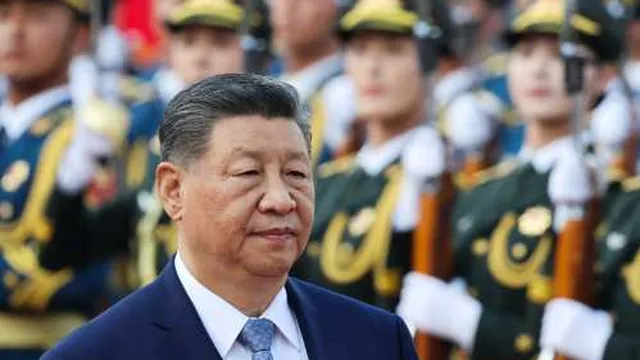
In recent discussions, Robert Kagan, a historian and Senior Fellow, has highlighted the significant decline of American influence on the global stage, particularly during the second Trump administration. This decline has raised critical questions about how China will position itself in the evolving international order. Kagan notes that the current global landscape is characterized by a redistribution of power, with many nations reassessing their security concerns in light of American actions. The Pew Research Center's report indicates that global attitudes towards the U.S. have worsened, with more people now viewing China favorably compared to the U.S. This shift in perception is attributed to the U.S.'s 'America First' policy and the unpredictable nature of its leadership under President Trump. Kagan argues that the U.S. is facing powerful isolationist movements on both the left and right, complicating its ability to reclaim its previous role in global affairs. He suggests that the world is transitioning into a multipolar system where no single power can be seen as a model for others to emulate, and this could lead to further instability in international relations. Kagan emphasizes that while the U.S. is respected less than before, the dynamics of global power are changing, and countries like China are adapting to these new realities.