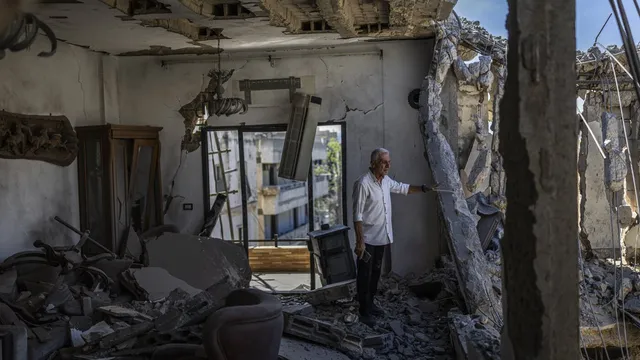
The Israeli-Lebanese conflict has had profound and lasting impacts on civilians in both nations, particularly in terms of displacement, psychological trauma, and economic hardship. The conflict, characterized by military confrontations, political tensions, and sporadic violence, has led to significant civilian casualties and has disrupted daily life for many. In Lebanon, the aftermath of conflicts, such as the 2006 war, resulted in widespread destruction of infrastructure, homes, and public services, forcing thousands to flee their homes and seek refuge in safer areas. The ongoing instability has created a climate of fear and uncertainty, affecting the mental health and well-being of the population, particularly among children who are often the most vulnerable in such situations.
In addition to physical displacement, the psychological impact of the conflict cannot be overstated. Many civilians experience post-traumatic stress disorder (PTSD), anxiety, and depression as a result of their experiences during the conflict. The constant threat of violence and the loss of loved ones contribute to a pervasive sense of insecurity. Mental health services in both Israel and Lebanon are often inadequate to meet the needs of those affected, leading to long-term consequences for individuals and communities. The psychological scars left by the conflict can hinder social cohesion and impede recovery efforts, making it difficult for communities to rebuild and move forward.
Economically, the conflict has severely affected both nations, with civilians bearing the brunt of the consequences. In Lebanon, the destruction of infrastructure and the disruption of trade have led to increased poverty and unemployment rates. Many families struggle to meet basic needs, such as food, healthcare, and education, which are essential for their survival and development. In Israel, while the economy is more robust, the costs associated with military operations and security measures divert resources from social programs and infrastructure development, impacting the quality of life for many citizens. The economic strain exacerbates existing inequalities and can lead to further tensions within and between communities.
In conclusion, the Israeli-Lebanese conflict has had a devastating impact on civilians, manifesting in displacement, psychological trauma, and economic hardship. Addressing these issues requires a comprehensive approach that prioritizes humanitarian assistance, mental health support, and economic development. Both nations must work towards a sustainable peace that not only ends the cycle of violence but also fosters healing and rebuilding for affected communities. The international community also plays a crucial role in supporting these efforts, ensuring that the voices of civilians are heard and their needs are met in the pursuit of lasting peace.