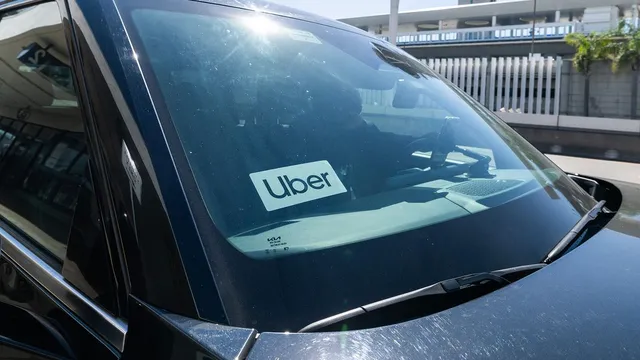
In the United States, Uber has adopted a strategy to position itself as a platform connecting riders with various ride options, including both human and autonomous vehicles. This approach was articulated by CEO Dara Khosrowshahi in 2024, emphasizing the company's goal to be the primary commercial platform for multiple autonomous vehicle (AV) developers. As part of this strategy, Uber is actively lobbying for legislation that would allow ride-hailing companies to participate in autonomous vehicle programs alongside AV companies. This is particularly relevant in Washington, DC, where Uber representatives are advocating for hybrid networks that would facilitate a smoother transition to autonomous technology while still supporting human drivers.
The push for hybrid networks is a response to the ongoing competition between human drivers and AVs in cities like San Francisco and Los Angeles, where driver earnings have reportedly declined. Uber's director of autonomous vehicles and AI policy, Harry Hartfield, is set to testify before the DC City Council, reinforcing the company's stance that both AVs and human drivers can coexist in the ride-hailing market. This strategy is also reflected in Uber's collaboration with Waymo, which allows Uber users to access driverless rides through its app in select cities.
However, Uber's lobbying efforts are not without challenges. The company has criticized existing policy proposals from the AV industry, claiming they often overlook workers' issues and may lead to monopolistic practices. Uber spokesperson Noah Edwardsen has pointed out that the failure to pass autonomous vehicle regulations in states like Maryland and New York indicates a need for a new approach. The New Jersey proposal, which includes regulations for self-driving cars, is seen by Uber as a potential compromise to address labor union concerns and facilitate the introduction of AVs on public roads.
As the autonomous vehicle landscape continues to evolve, Uber's strategy highlights the importance of balancing technological advancement with the livelihoods of human drivers. The company's efforts to establish hybrid networks reflect a broader trend in the ride-hailing industry, where the integration of AVs must consider the existing workforce and the economic implications for drivers. The future of ride-hailing may depend on how effectively companies like Uber can navigate these complexities while advocating for policies that support both innovation and job security.