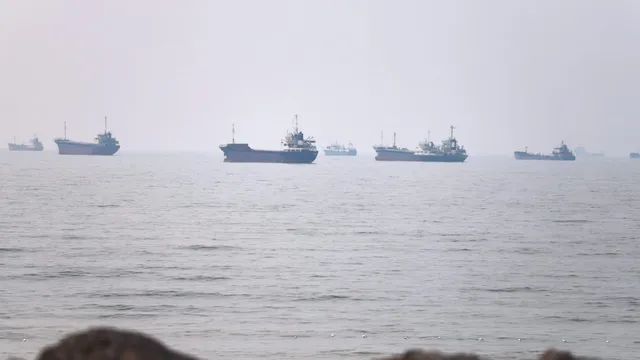
The ongoing conflict between the United States and Iran has significant implications for global oil prices, primarily due to the strategic importance of the Persian Gulf region and the vital role that both countries play in the oil market. The U.S. has historically been a major player in the Middle East, and its policies towards Iran, particularly regarding sanctions and military presence, have a direct impact on oil supply and prices. When tensions escalate, markets often react with volatility, leading to increased oil prices as traders anticipate potential disruptions in supply. This is particularly relevant given that Iran is one of the largest oil producers in the region, and any threat to its production capabilities can lead to a ripple effect across global markets.
In recent years, the U.S. has implemented stringent sanctions on Iran, aimed at curtailing its oil exports. These sanctions have not only reduced Iran's ability to sell oil but have also created uncertainty in the market, as other oil-producing nations adjust their output in response to fluctuating demand and supply dynamics. The geopolitical landscape is further complicated by the involvement of other nations, including those in the OPEC cartel, which often find themselves balancing their production levels to stabilize prices while responding to U.S. policies. As a result, the interplay between U.S. sanctions and OPEC's production decisions can lead to significant price swings in the oil market.
Moreover, the potential for military conflict in the region can exacerbate these price fluctuations. For instance, any military action or heightened tensions in the Strait of Hormuz, a critical chokepoint for global oil transportation, could lead to immediate spikes in oil prices due to fears of supply disruptions. Historical data shows that during periods of heightened conflict, such as the U.S.-Iran tensions in 2019, oil prices surged as traders reacted to the potential for reduced supply. This pattern underscores the sensitivity of oil prices to geopolitical events, particularly those involving major oil-producing nations.
In conclusion, the impact of the U.S.-Iran conflict on oil prices is multifaceted, influenced by sanctions, military tensions, and the responses of other oil-producing countries. As the situation evolves, market participants must remain vigilant, as the potential for sudden price increases remains high in the face of geopolitical instability. Understanding these dynamics is crucial for stakeholders in the oil market, as they navigate the complexities of supply and demand in an increasingly volatile environment.