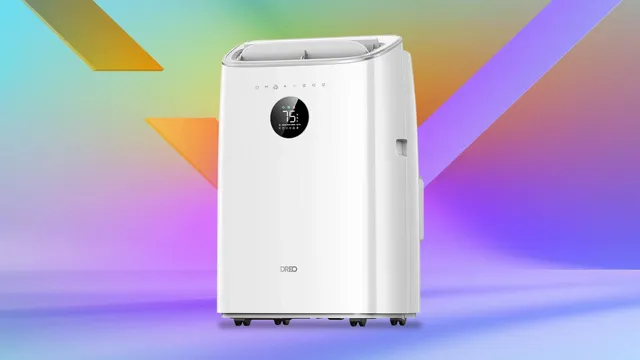
In the United States, the measurement of cooling performance for portable air conditioners has been a source of confusion for consumers. Traditionally, these units featured two BTU ratings: a higher one from the American Society of Heating, Refrigerating and Air-Conditioning Engineers (ASHRAE) and a lower one from the Department of Energy (DOE). This dual rating system emerged because the higher ASHRAE ratings often did not accurately reflect the real-world cooling performance of portable units, which are designed to vent heat outside through a hose connected to a window. As a result, the actual cooling efficiency was typically between 25% and 40% lower than the ASHRAE rating. To address this issue, the DOE implemented new testing procedures in 2017 aimed at providing a more accurate assessment of portable air conditioners' cooling capabilities. This change was significant as it corrected the previous misclassification of cooling efficiency by HVAC regulatory bodies, marking an unprecedented move in the industry. The introduction of these new testing standards has helped consumers make more informed decisions when purchasing portable air conditioners, as they can now better understand the actual performance of the units they are considering. Additionally, the distinction between the two BTU ratings has become clearer, with newer models often displaying both ratings to avoid confusion among buyers. The importance of selecting the right BTU rating cannot be overstated, as it directly impacts the effectiveness of cooling in relation to room size, sun exposure, insulation, and ceiling height. Overall, the changes made by the DOE have provided a clearer framework for consumers, ensuring they are better equipped to choose the right portable air conditioner for their needs.