In recent days, Israel has intensified its military operations in the Gaza Strip, resulting in significant casualties and damage. The strikes, which occurred after the Palestinian militant group Hamas announced its willingness to disarm, have reportedly killed at least four individuals and injured many others. Local health officials have confirmed the toll from the intense bombardment, which targeted various locations across Gaza, including storage facilities used by Hamas. The Israeli military had issued evacuation warnings prior to the strikes, indicating a strategic approach to minimize civilian casualties while aiming to dismantle Hamas's military capabilities.
Simultaneously, tensions in the region have escalated due to ongoing conflicts involving Iran and its allies. The U.S. administration has expressed frustration over Iran's actions, particularly after Tehran allegedly violated a truce agreement by attacking commercial ships and killing American soldiers. White House press secretary Karoline Leavitt emphasized that President Trump would not tolerate such behavior, indicating a potential for continued military action against Iran and its proxies.
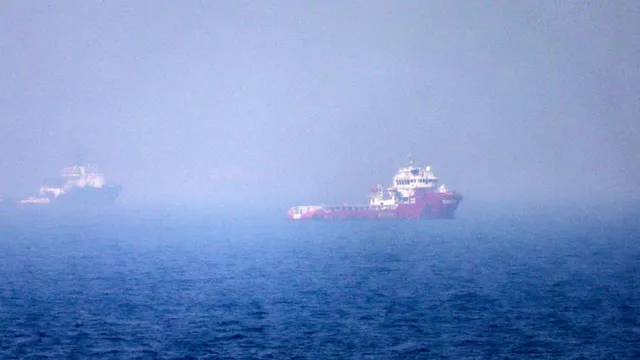
In Kuwait, the military responded to drone attacks attributed to Iranian forces, which targeted vital facilities without causing casualties. The British Navy reported incidents involving tankers in the Strait of Hormuz, highlighting the ongoing maritime threats posed by Iran. These developments have prompted the U.S. to issue travel warnings to its citizens in the region, advising them to prepare for possible disruptions.
The situation remains fluid, with Israel's military operations in Gaza and Iran's aggressive posture in the region contributing to a complex and volatile environment. As negotiations continue regarding disarmament and ceasefire agreements, the potential for further escalation remains high, with various stakeholders involved in the ongoing conflict seeking to assert their influence and control over the situation.